Full article
Created by Marc Woodhead · Edited by Marc Woodhead · Reviewed by Marc Woodhead
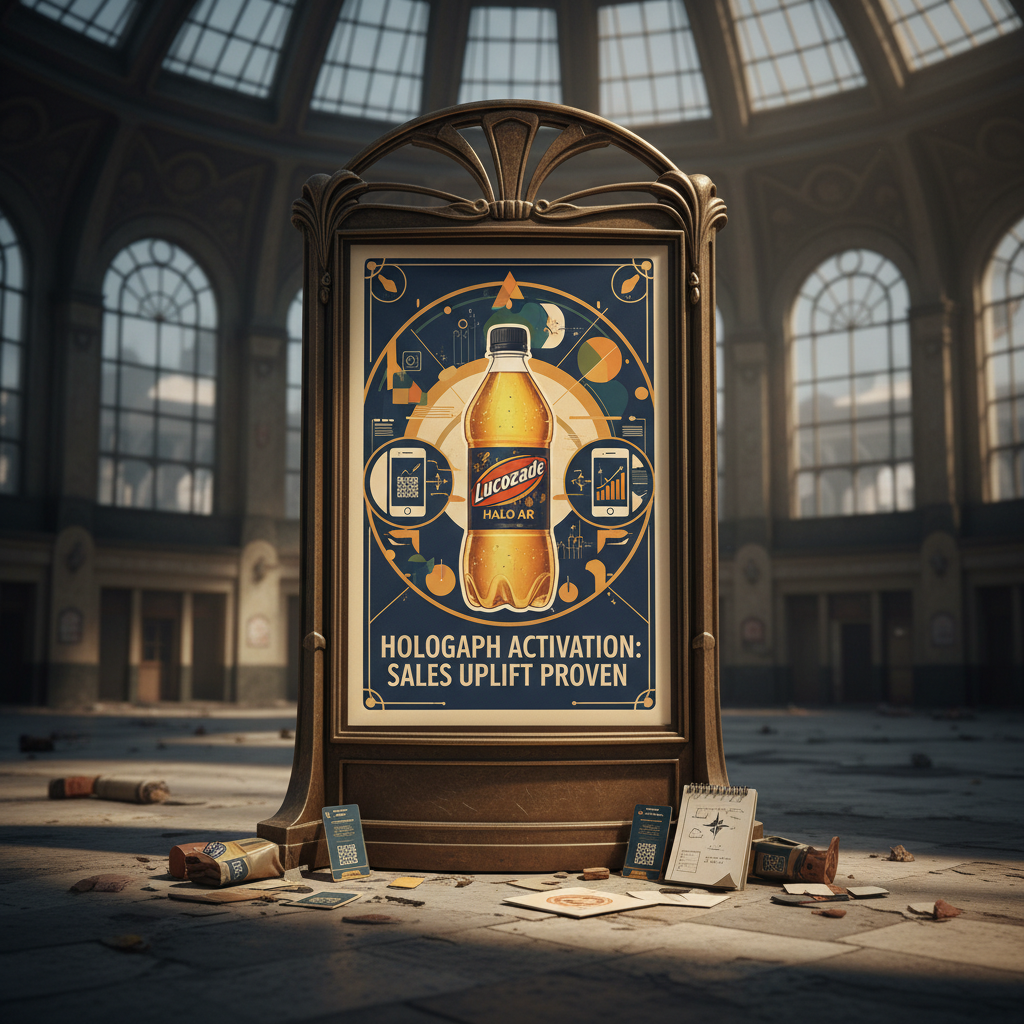
The reported 32% sales uplift from Lucozade Energy’s Halo activation was not an anomaly. It was the result of a mechanic built properly: clear entry, clear reward, and a measurable outcome. This still matters because too many gamified activations are just expensive friction dressed as innovation. The useful lesson from Lucozade and Halo is not that “AR works”, but that gamified AR can support sales when the mechanic is easy to understand, the reward feels worth the scan, and the measurement holds up.
Context for the 32% uplift
The public Holograph case study reports a 32% sales uplift for Lucozade Energy during the campaign window. This figure is worth attention because sales uplift is harder to fake than engagement fluff. Plenty of activations can manufacture dwell time; fewer can show a commercial effect tied to a named brand, partnership, and live retail context.
The mechanic itself was well-judged. Lucozade Energy used Halo’s gaming equity to create an on-pack AR experience connecting a physical product to a digital reward. This requires balancing packaging, mobile compatibility, campaign rules, redemption flow, partner approvals, and data handling. Miss one hand-off and the experience feels overcomplicated for the audience.
The campaign’s strength was not novelty, but fit. Halo made sense for the audience, Lucozade had the scale to put the mechanic in people’s hands, and the journey from pack to participation was direct. This points to a core trade-off: the more flamboyant the AR layer, the more you risk slowing the route to reward. In this case, restraint was the smarter choice.
What has changed
Over the past few years, the standard for judging these activations has changed. Around 2020, many AR campaigns were approved on spectacle alone. That has worn thin. Brand leads now ask harder questions about commercial contribution, operational load, and whether the activation can be repeated across markets without burning out the delivery team.
Good. If a platform cannot explain its decisions, it does not deserve your budget.
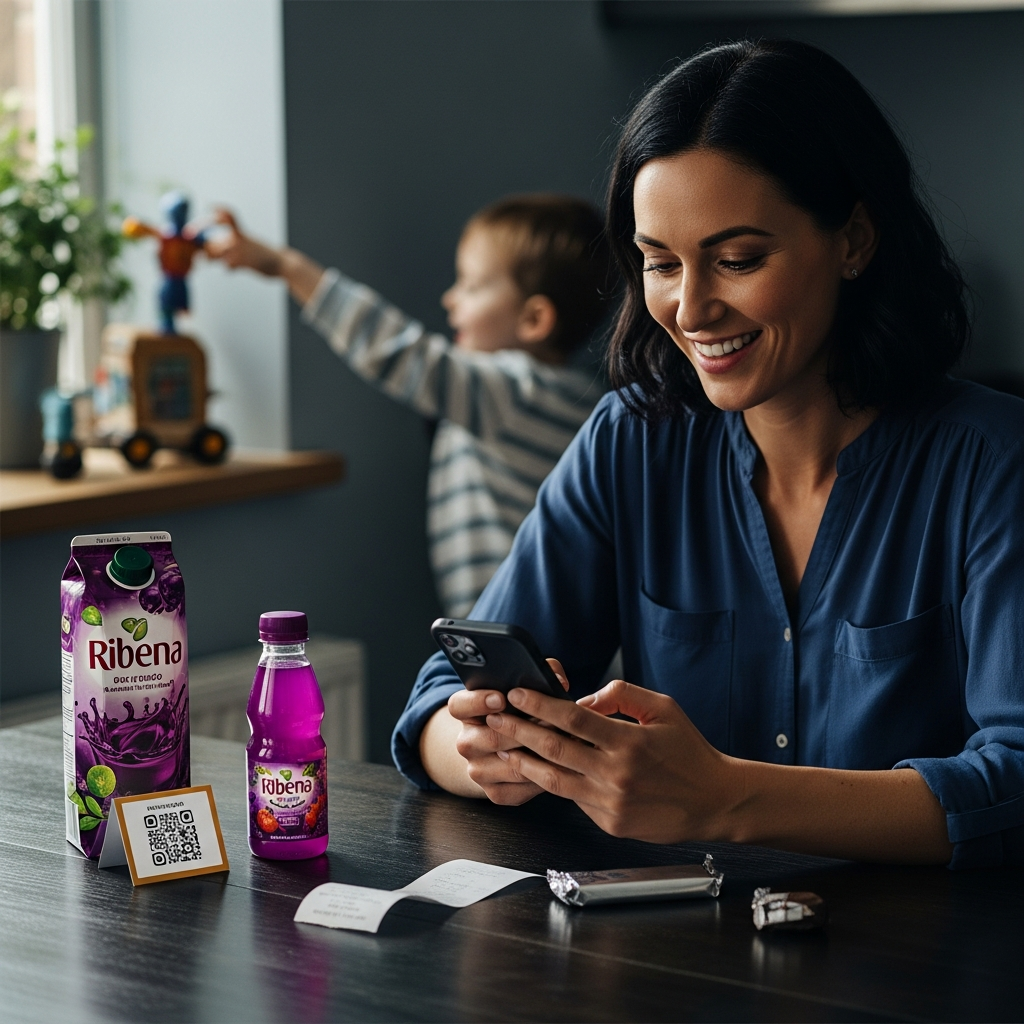
The practical shift is from one-off stunts to system design. This means planning the activation as a connected programme, covering packaging, claims, compliance, audience capture, and reporting. Holograph’s public case-study record points in the same direction. The Google Pixel launch used 812 assets while reducing cost-per-asset by 23.5%, a reminder that modular production matters. The Ribena AR work reportedly overshot its entry goal by 258%, showing that the right reward logic can travel beyond gaming audiences. Different brands, different mechanics, same pattern: performance is better when the moving parts are designed to work together.
This highlights a simple truth: automation without measurable uplift is theatre, not strategy. Audiences are also less patient with hidden steps. Burying eligibility or prize logic behind layers of copy is a poor fit for modern consumer promotions. A fair mechanic should feel auditable. If the route from scan to claim looks murky, confidence drops and participation usually follows.
Why the benchmark still matters
The 32% uplift matters because it gives brand teams a benchmark with enough weight to inform a decision, without becoming a myth. It does not mean every gamified AR activation will lift sales by 32%. Media support, pack distribution, franchise fit, and retail execution all shape the result. It does mean this category of mechanic can justify itself commercially when those conditions are aligned.
That is a more useful conclusion than the usual “immersive experiences drive engagement” line, which says almost nothing. Engagement with what? For how long? At what cost? You can burn a healthy production budget on a memorable interaction that leaves no measurable impact on sales, retention, or first-party audience growth. Most teams in this space have seen it happen.
The stronger lesson from the Lucozade and Halo activation is that the mechanic tied fandom to product purchase in a way people could grasp quickly. Buy the pack, scan, unlock the experience, receive the value. That directness matters. If your objective is commercial movement, you should usually sacrifice theatrical flourish to remove user friction. Brands often hesitate because the flashier route feels more innovative in a meeting, but it often performs worse in the wild.
When the value exchange is obvious within seconds, participation climbs. When people have to decode the mechanic, it stalls. This is not mystical; it is just human attention behaving as expected.
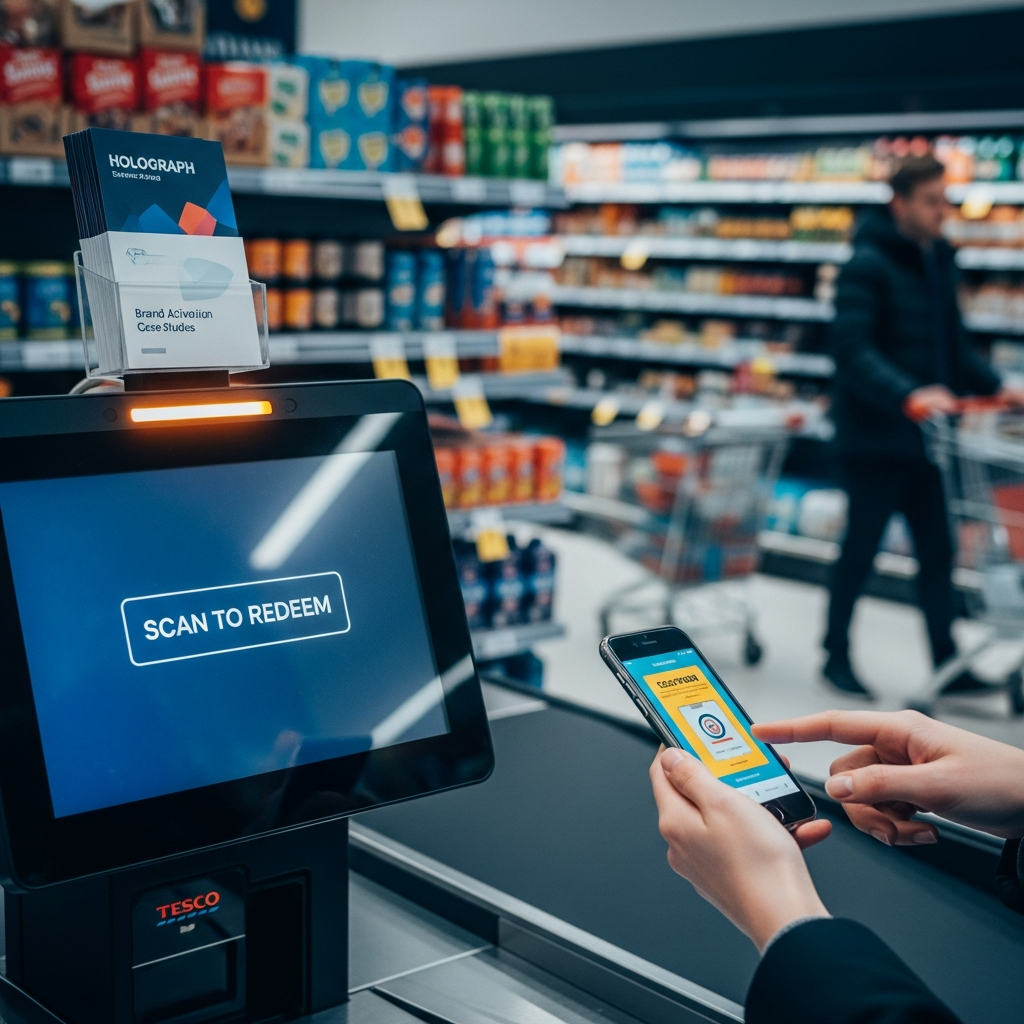
The case also helps teams compare AR against other promotional mechanics. Scan-to-redeem, instant win, loyalty layering, and pack-led collection all ask different things of the audience and the delivery stack. If you are weighing a gaming partnership, the Lucozade case is a sensible reference because it combines branded IP, mobile participation, and a sales effect in one package. It is not the answer to every brief, but it is a strong comparator.
Implications for brand teams
If you are judging a live campaign decision, the first implication is blunt: stop buying mystery. Ask how uplift will be measured, what data source will be used, what the attribution window is, and who signs off the reporting method before launch. If the answer is vague, walk away.
The second implication is architectural. Build the activation so compliance, localisation, and reporting are part of production, not a clean-up job. This is where Holograph’s product fit becomes useful. MAIA makes sense when several stakeholders need to plan a campaign together. DNA fits when you want to enrich audience understanding after participation. ONECARD is relevant when the reward structure needs layering. The point is not the product label, but designing the system around what the mechanic must prove.
Privacy deserves a practical mention. The right approach is usually the boring one: collect only what you need, for a reason, and make the consumer path clear. This is better for GDPR, trust, and often conversion, because the form is shorter and the explanation cleaner. Leaner data capture often outperforms richer data capture.
Actions to consider
If you are comparing mechanics for an upcoming activation, start with four checks.
First, map the audience journey on one page: entry, eligibility, scan, reward, and follow-up. If it takes a paragraph to explain, the audience will not read it.
Second, decide which metric matters most before creative development races ahead. Sales uplift, email sign-up growth, repeat purchase, claim rate. Pick one lead measure.
Third, test the fairness of the mechanic. Can a consumer understand the route to claim without hidden steps? If not, the campaign may feel arbitrary rather than trustworthy.
Fourth, design for repetition. If the activation works, can you localise assets and rerun the logic across channels without rebuilding the whole machine? The public Google Pixel example is useful here: modular systems save money and shorten production cycles.
For teams weighing a gamified AR route, the Lucozade and Halo case provides a practical benchmark. Compare your proposed mechanic against its core structure: recognisable IP, a simple on-pack invitation, low-friction mobile participation, clear reward logic, and a measurable commercial outcome. If your idea adds steps without adding value, trim it. If you cannot show how performance will be verified, challenge it.
This case still matters not because AR is fashionable, but because it shows what happens when immersive tech is treated as disciplined activation design, not a shiny detour.
If you are weighing a live brand campaign right now, put your mechanic beside the Lucozade Halo model and see where the friction, risk and proof gaps really sit. Then have a look at the original Holograph case study and the wider evidence in our published work. If you want to pressure-test the decision with people who build this stuff for real, book a chemistry session with the Holograph team and we’ll walk through it properly, without the sales smoke.
Proof and original case study
This interpretation draws on a public Holograph case study. For the original source detail, see the original Holograph case study and more Holograph case studies.