Full article
Created by Marc Woodhead · Edited by Marc Woodhead · Reviewed by Marc Woodhead
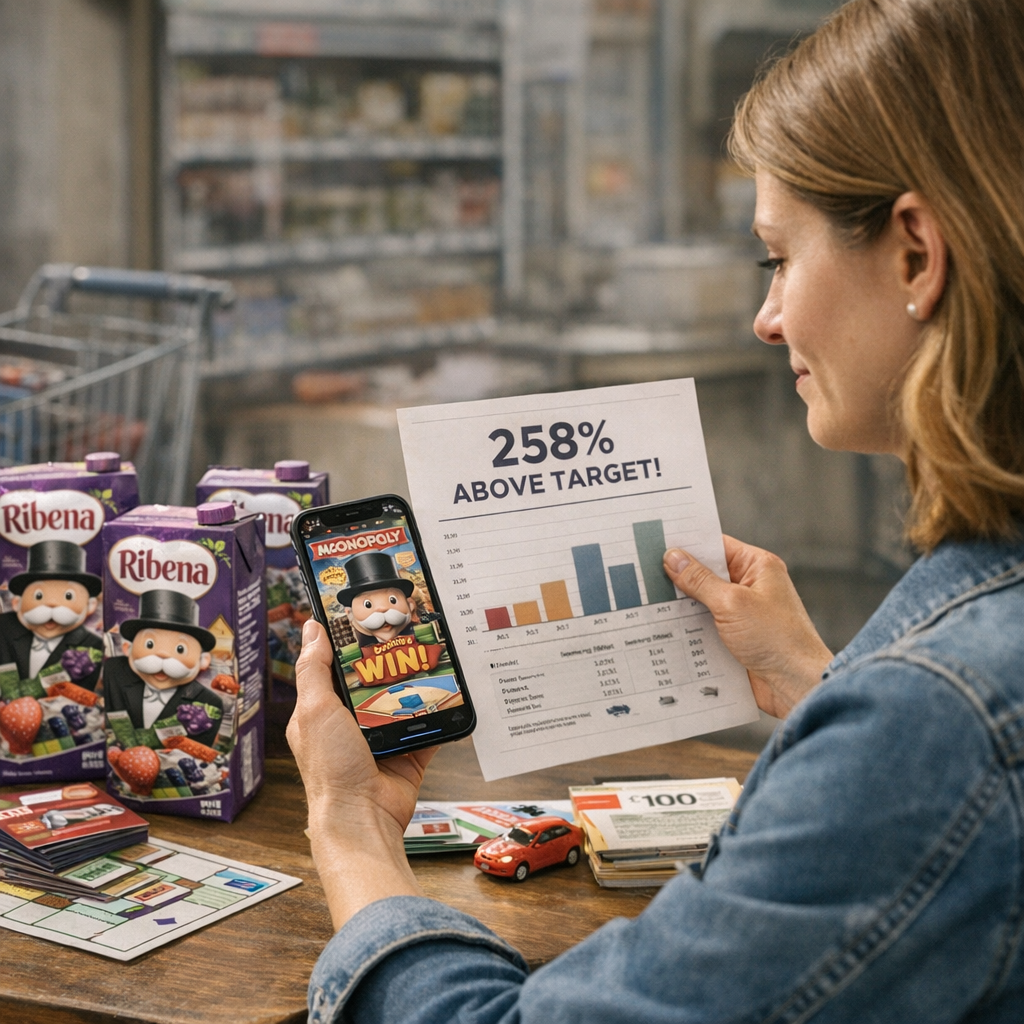
A recent Ribena performance wrap showed a 42% uplift in email sign-ups. The useful question isn't whether the number looks good on a slide; it's what caused it, and whether the same logic would hold for your brand when it meets real shoppers, compliance, and operations.
Ribena's family-focused instant win activation worked because the prize framing matched the product, the audience, and the point of purchase. The mechanic mattered, but fit mattered more. That's the part teams tend to skip when they're in a hurry.
What the 42% uplift actually tells us
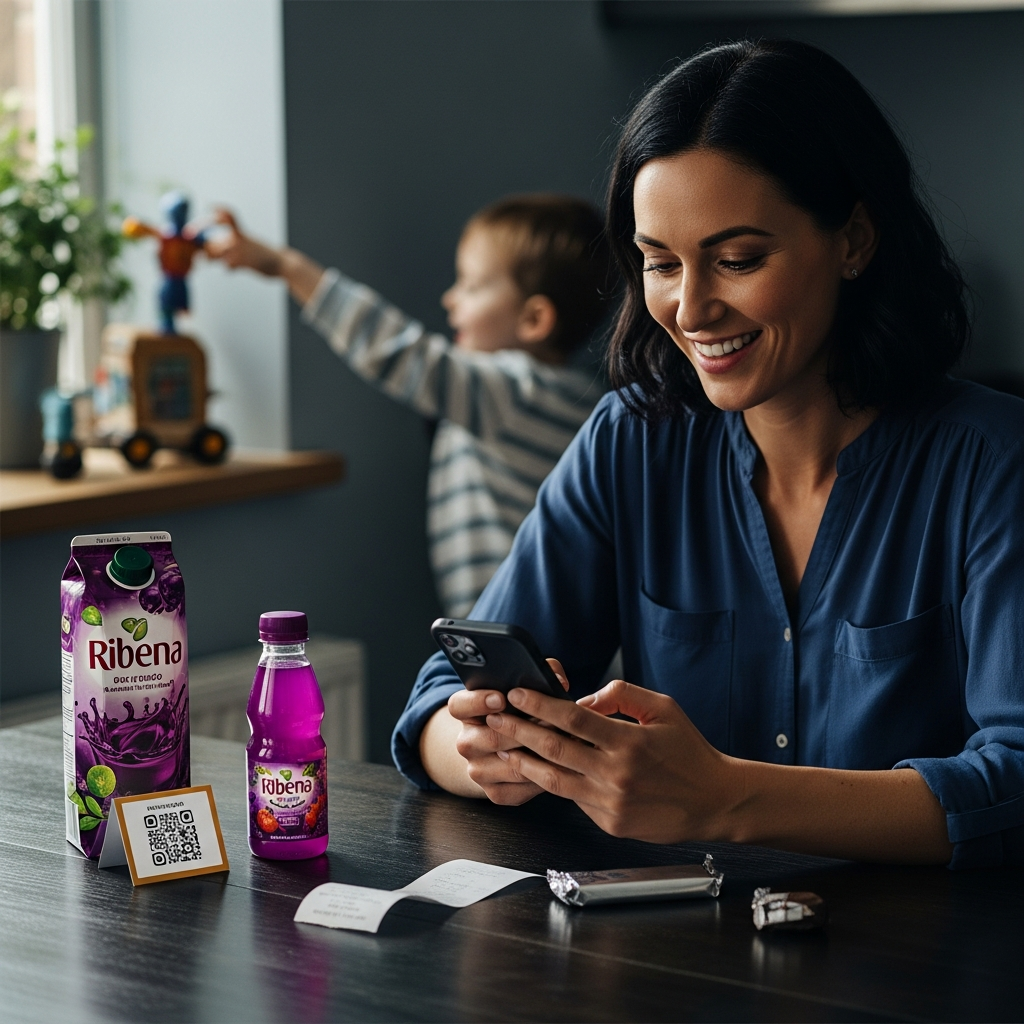
The public result is straightforward: Ribena’s “Win a Family Experience” activation drove a 42% uplift in email sign-ups. The mechanic was simple: buy a promotional pack, scan a QR code, enter details, and find out instantly if you had won one of over 1,000 prizes. The lack of a complicated flow or a long delay between action and outcome was key.
This doesn't prove every instant win campaign is brilliant. It shows that a low-friction exchange persuaded shoppers to share contact data. That's a practical win for CRM, not just a vanity metric.
There is a trade-off. Requiring an email address adds friction, so the prize and its timing must justify it. If the reward feels thin or entry is clunky, people drop off. Ribena succeeded by tying the interaction to a purchased product and giving an immediate answer, avoiding the wait of a prize draw.
The power of immediate resolution seems to be about reducing cognitive load. When the outcome is clear in the moment, people are more likely to complete the required step. For a busy family, it's simply one less loose end.
Why family-friendly framing worked here
Ribena offered family experiences, not generic cash. The prizes made sense for a household brand. This sounds obvious, but many promotions fail by stapling a borrowed mechanic onto the wrong emotional context.
The framing also lines up with broader cultural trends. ONS data on personal well-being shows that shared experiences and quality of life remain highly salient in the UK. This makes “time together” a more grounded prize for a family brand than a random cash giveaway.
The reward does two jobs at once: it offers a chance to win, and it creates a small, shared story between a parent and child at the point of purchase, before anyone has even entered.
The trade-off is a narrower field. You gain relevance with your target audience but lose reach with everyone else. For Ribena, this was a sensible exchange, as the brand already has permission to speak in a family register. This kind of strategic decision is vital.
The product-fit test: when this mechanic suits your campaign
This mechanic suits a specific job. Use it when your product is a regular household purchase, the brand can credibly promise a shared experience, and the goal is to build a permissioned audience for follow-up, not just a brief sales spike.
For Holograph clients, this case shows the value of a connected system. ONECARD simplifies traceable reward delivery. MAIA governs the orchestration of pack, entry, messaging, and fulfilment. DNA ensures the captured audience moves into segmented follow-up, not a dormant spreadsheet.
The trade-off is complexity. A connected activation requires more from ops, data, and legal teams than a basic promotion. The return is cleaner attribution and a better chance of turning email uplift into commercial value. Automation without measurable uplift is theatre, not strategy.
Other Holograph activations confirm this systems view. GetPRO Campaigns' retailer-linked coupons drove a 43% email sign-up uplift, and Lucozade Energy's AR activation saw a 32% sales uplift. The lesson is consistent: treat activations as designed systems, not a single hero screen.
Where the same framing will underperform
Family-friendly framing underperforms when a product is individual, infrequent, or high-consideration, such as premium gin, B2B software, or specialist skincare. Shoppers will feel the mismatch.
If the mechanic's structure works, redesign the reward to feel native to the product. For a luxury skincare brand, a personalised consultation makes more sense than a family day out.
Operational weakness will also sink the idea. Patchy fulfilment or vague terms erode trust. Explain the mechanic in plain English: for instant wins, prize draws, or judged contests, be clear about how winners are determined. This isn't just compliance; it's part of the conversion process.
There is another trade-off worth stating plainly. Broad, family-safe framing is easier for internal stakeholders to approve, but it can flatten distinctiveness. In crowded categories, safe can quickly become forgettable. Better to be specific and operationally honest than generically cheerful.
What to copy from Ribena, and what not to
Copy the discipline. Do not copy the surface.
Borrow the clear value exchange: an email address for a credible chance to win a relevant prize. Copy the low-friction entry path from pack to scan to outcome. And mirror the prize fit, where family experiences provided the mechanism's emotional logic, not just random decoration.
Also copy the clarity of the promotion type. Use precise language to explain how winners are determined, avoiding confusion between competitions, contests, and prize draws. Precision prevents needless trouble.
Do not copy the prize volume unless your distribution can carry it. Ribena's scale justified over 1,000 prizes. A smaller activation might perform better with fewer, stronger rewards and cleaner fulfilment. More is not always better; sometimes it just creates a wider operational blast radius.
Avoid this approach if your follow-up journey is weak. An uplift in sign-ups is useful only if contacts are welcomed and segmented. Without a coherent next step, supported by a platform like DNA, you have just paid to create a bigger inbox problem.
A quick audit before you brief an instant win activation
Before anyone starts moodboarding prize imagery, check six things.
- Objective: is first-party audience growth genuinely the lead goal, or are you chasing short-term sales volume?
- Brand permission: does a family or shared-experience reward make sense for this product, in this market, in 2026?
- Mechanic clarity: can a shopper understand the entry route and how winners are chosen in a few seconds on pack?
- Fulfilment: can your team source, deliver and support the rewards without creating service debt?
- Data readiness: is the CRM or CDP prepared to ingest, segment and act on the new contacts properly?
- Measurement: have you defined what success means beyond entries, such as opt-in quality or follow-on conversion?
If any answer is shaky, fix the system before you launch. It is cheaper than cleaning up a promotion that looked tidy in the deck but unruly in the wild.
Ribena's 42% uplift offers a working example of fit. The framing worked because product, prize, and audience were aligned, and the mechanic was supported by proper delivery. If you are weighing a product decision, compare it against that standard and ask where the system will hold or wobble. We can walk through the mechanic together in a chemistry session to show you where to simplify, where to be stricter, and where the numbers are likely to be earned.
Book a chemistry session with the Holograph studio team.