Full article
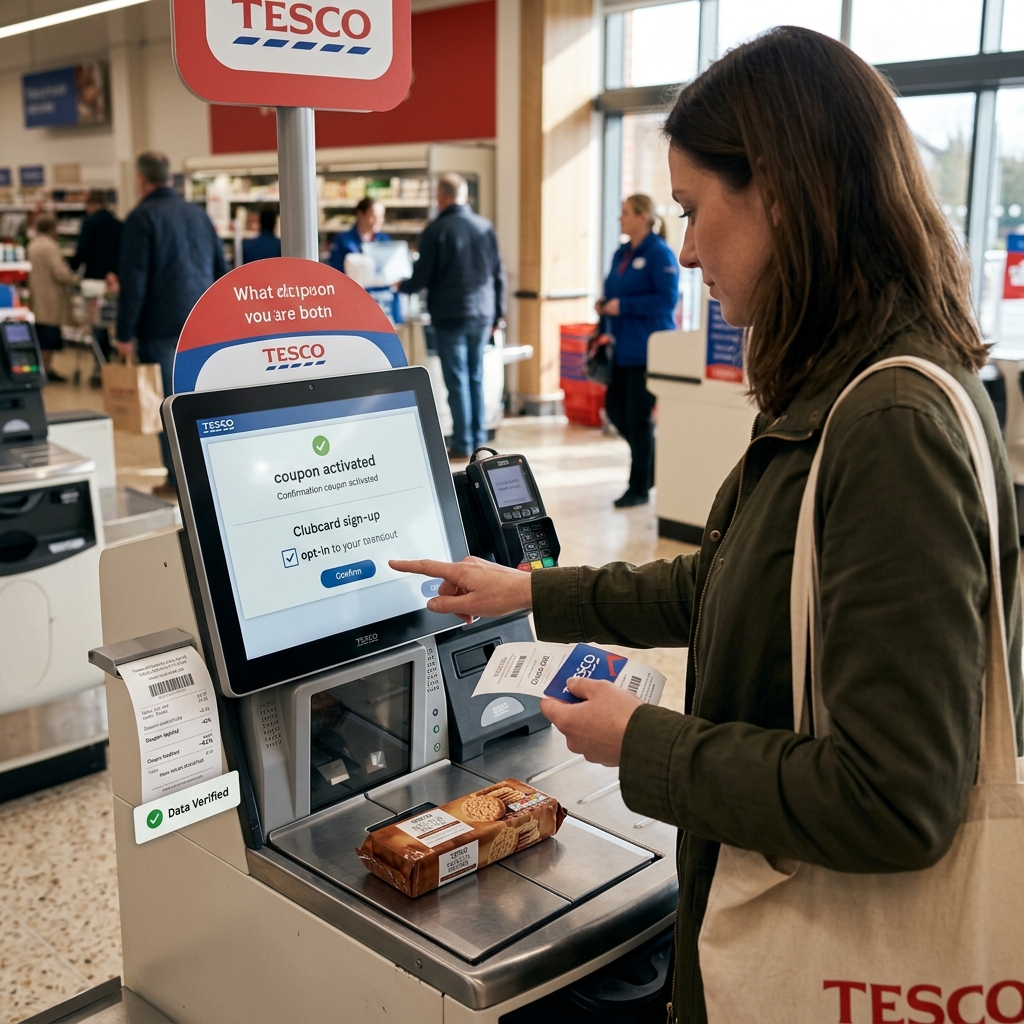
A sign-up surge looks positive until the first welcome batch shows strain. GetPRO Campaigns reported a 43% uplift in email sign-ups across Tesco and Co-op. This commercial gain introduces toxic data risks and deliverability pressure. Contradiction requires a sharper decision model for where EVE should pass, challenge, or hold. Strategy must withstand operational contact.
Signal baseline
Growth shifts the risk mix before headline metrics move. Promotion-led forms attract genuine customers and low-intent entrants together, raising typo rates, alias use, and opportunistic submissions. Delaying data hygiene lets poor-quality records into welcome series before suppression catches them. The baseline blends capture volume, valid address rate, first-send bounce exposure, and opt-in proof quality. Without it, teams mistake acquisition noise for demand. Email risk monitoring in the UK proves critical in retail journeys where form submit to first send spans hours.
What is shifting
Market movement accelerates collision between acquisition and mailbox reputation. A 43% increase in sign-ups pushes questionable records into automated flows before pattern detection. Weak addresses and manipulated aliases aggregate during the welcome journey, affecting list health quickly.
Contrast that with slower growth. In calmer months, CRM teams absorb noise through routine cleaning. In promotion spikes, tolerance becomes expensive. Small rises in bounces or complaints weaken sender performance when capitalising on attention matters most. Mailbox-provider trust judgements feed on engagement and bounce signals continuously, making delayed intervention costly.
Stronger scrutiny around consent compliance means brands cannot rely on crude silent rejection if challenged later. An auditable decision path matters. EVE validates likely authenticity in sub-50ms at capture, with audit trails and zero data retention aligned with UK GDPR. Passing clean entries immediately and only interrupting uncertain cases reduces disruption compared to letting suspect records flow downstream.
Who is affected
The first team to feel the strain is usually CRM, not brand. Pain arrives as deliverability drift, odd resend performance, and welcome-series inconsistency. A suppression rule catches more than expected, or a double opt-in reminder works harder than the original send. Together, it signals the acquisition mix has changed.
Marketing directors defend the uplift to stakeholders while explaining why list growth differs from reachable audience growth. Growth claims without baseline evidence should pause until data catches up. That conversation challenges when promotions appear successful.
Operations and compliance face early exposure if opt-in proof is weak. The friction point is the hand-off between acquisition, validation, suppression, and send logic. Plans must adapt when dependencies shift.
No single threshold fits every retail campaign. A coupon for low-consideration FMCG differs from loyalty joins. Calibrated judgement, not universal blocking, works sensibly.
Where EVE should pass, challenge or hold
This is the trade-off map. Pass should be the default for entries showing strong address validity, normal syntax, credible domain behaviour, and clean signals at capture. Speed matters to keep intent warm.
Challenge sits in the middle, and more teams should use it. EVE triggers a light-touch confirmation loop for records that are plausible but not fully trustworthy, examples include entropy anomalies or clusters inconsistent with normal traffic. You keep the customer path open without treating uncertainty as acceptance.
Hold should be used sparingly but firmly. If a record shows high-risk domain characteristics or conflicts between form behaviour and user input, pausing it protects the broader programme. That matters for fraud signal monitoring because bad entries can pollute retargeting pools and weaken sender profiles.
The implied objection: does this miss legitimate customers? Sometimes, at the margin. Retail acquisition is never zero-error. The better question is whether the pass, challenge, and hold mix reduces commercial downside faster than it creates friction. That is the more honest benchmark.
Actions and watchpoints
If the uplift lands this week, act in the next 24 to 48 hours. Tighten validation at form submit, not after underperformance. Review suppression rules so doubtful records do not cycle through automation. Pair that with source attribution checks to spot quality pockets.
Inspect the welcome journey in sequence. Determine which entries are passed instantly, challenged, or held. EVE works best when logic is explicit and auditable, balancing acquisition speed with compliance scrutiny.
Keep the scoreboard practical. Watch valid-capture rate, first-send bounce exposure, confirmation completion, and suppression growth together. Paired comparison reveals more: strong sign-up growth against weakening first-send quality tells a different story from strong growth against stable reachability. That distinction is where practical advantage appears first.
When a retail promotion lifts sign-ups sharply, tune your thresholds before sender trust pays the price. Book a frictionless validation walkthrough with our solutions team to map where EVE should pass, challenge, or hold in your flow.