Full article
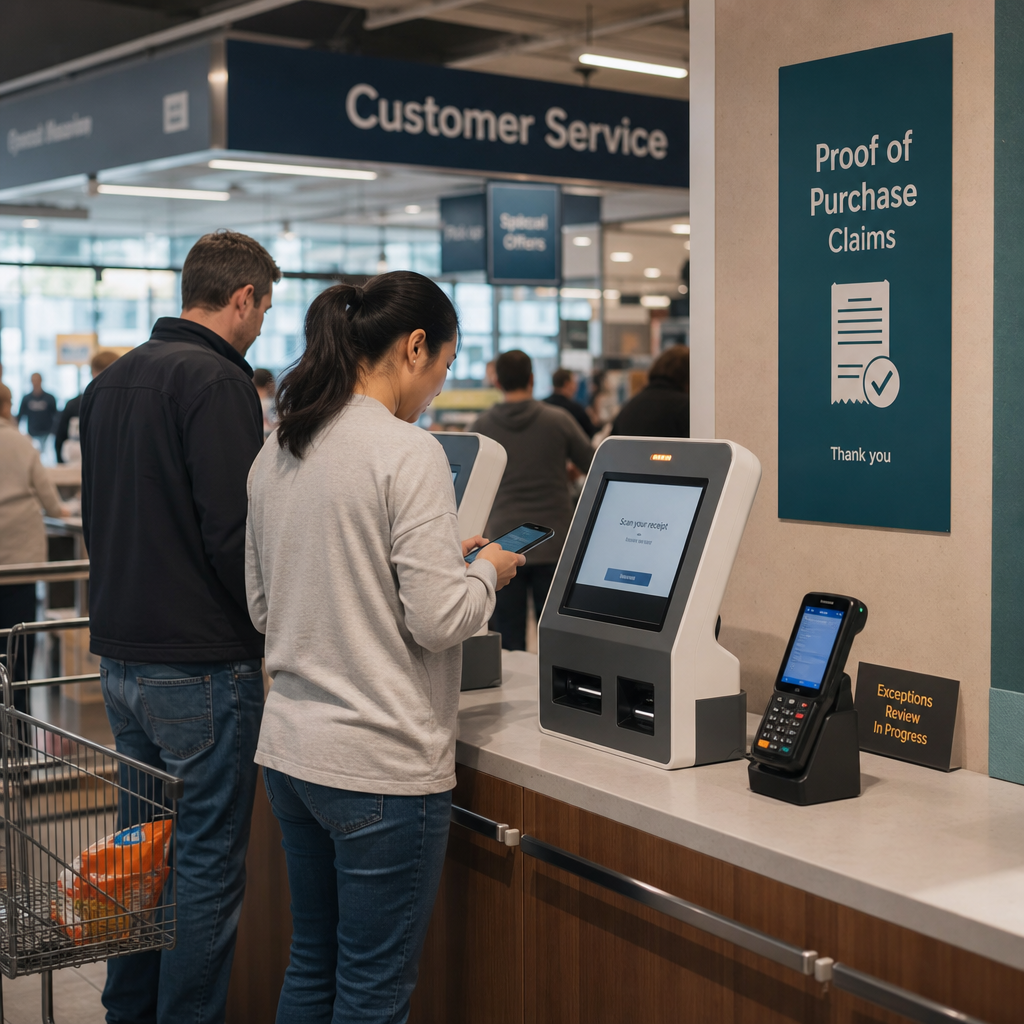
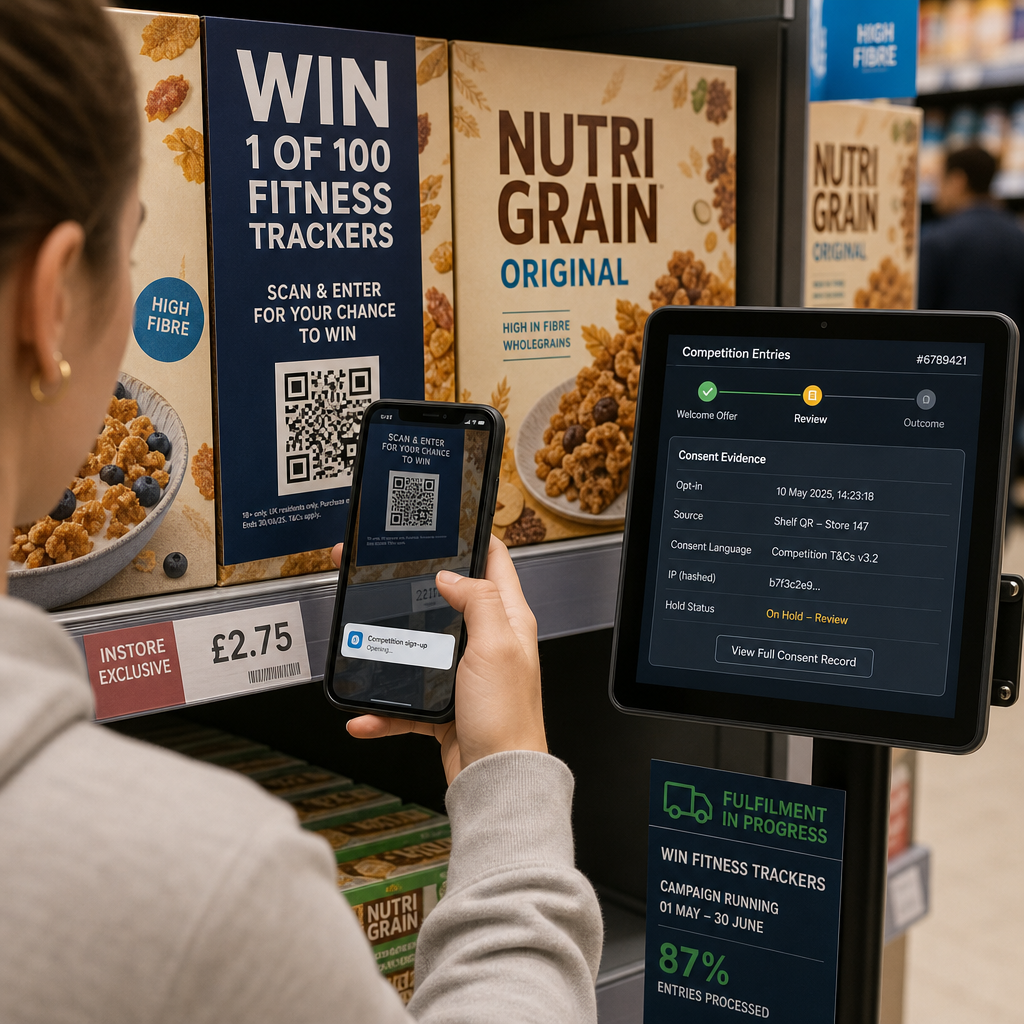
Proof-of-purchase surges expose the same weakness again and again in email operations. Volume rises, weak entries and abusive submissions rise with it, and binary rules break under the strain. They block genuine claimants, or they let toxic data into the welcome flow and leave deliverability to absorb the damage on first send.
The real decision is narrower than it first appears. It is not whether to bolt on another reject rule or throw more people at review. It is whether a mixed-quality claim stream should still be forced through yes or no logic. EVE gives teams a governed route-state model in real time, with named thresholds, owners and review dates, so deliverability protection does not depend on blunt rejects.
The call on the table
The short answer is straightforward. EVE fits best at the point of entry, where it can grade email records into pass, challenge, hold, review or stop in under 50 milliseconds. That matters more than static regex or allow-list checks because claim traffic does not separate neatly into clean and abusive records.
The break points are usually unglamorous. A customer mistypes an address on mobile. A disposable inbox slips past a simple pattern rule. A shared IP starts attracting poor-quality entries just before the first campaign send. Those are operational email problems with immediate consequences for bounce rate, sender health and review load.
That is why block versus allow is the wrong frame. The useful question is whether a one-bit decision can still do the job at entry. Score the record when it arrives, then watch what each route state does to first-send readiness, bounce rate and exception handling. If the first meaningful quality check happens inside the welcome flow, the control is already late.
Which routes are genuinely open
Most teams fall into one of three operating models.
Blunt blocking looks tidy and keeps bad entries out on paper, but it conceals the cost of false positives. A legitimate shopper using an alias, carrying a typo or signing up from a less common domain can be treated as abuse, while the form reports a neat outcome and the lost claimant disappears from view.
Loose acceptance with clean-up later preserves short-term completion, but the bill arrives downstream in bounce handling, sender reputation and manual suppression work.
Graded control is the model that usually holds up when traffic spikes. Low-risk records pass. Ambiguous records move into an email confirmation loop or a governed hold state. Clearly toxic entries are stopped without retaining unnecessary data.
Manual exception queues still matter at the edges, but they are a poor primary control when a promotion lands. If the model depends on people sorting record by record during a spike, the queue fills with noise and judgement gets wasted on cases that should have been routed automatically.
Address data alone will not settle intent cleanly. A suspicious alias may belong to a real customer. A polished address may still be part of abuse. That uncertainty is not an argument for looser control. It is the reason to set thresholds, exception handling and review cadence properly.
What each route protects or gives away
Each operating model protects one side of the problem by exposing another.
Blunt blocks protect the database at the front door, at least superficially. They give away conversion, claimant trust and any usable record of why a valid entry failed.
Loose acceptance protects completion rate. It gives away first-send quality. Once toxic data enters the lifecycle, automation spreads the problem. Hard bounces rise, and sender health can deteriorate fast if suppression logic trails acquisition volume.
Graded routing protects both sides more credibly because the next action matches the level of certainty. A pass keeps the journey moving. A challenge adds a confirmation step without an immediate reject. A hold or review creates time where the signal is mixed. A stop removes clearly toxic data from the route.
Speed still matters. A control layer that drags on form completion creates a different failure mode. EVE is built for real-time use, with sub-50ms response and intelligent caching, so the judgement sits at entry rather than appearing later as friction. The aim is not more interruption. It is to place friction only where the risk justifies it.
There is a governance advantage as well. Once route states, thresholds and owners are explicit, teams can review decisions against outcomes instead of letting rules drift unchallenged.
The move that holds up best
The strongest recommendation is a delivery-led model with explicit thresholds, named owners and fixed review dates. EVE should sit at entry, score the record, route it to the next state and feed outcomes into a weekly threshold review during surge periods. That keeps the risk where it can still be managed, rather than leaving it to surface later in bounce reports and suppression work.
The practical setup looks like this:
| Risk grading | System action | Owner | Acceptance criteria / checkpoint |
|---|---|---|---|
| Pass | Send directly into the welcome or reward flow | CRM lead | First-send bounce rate stays within agreed threshold |
| Challenge | Trigger an email confirmation loop before reward fulfilment | Campaign manager | Confirmation completion rate reviewed against claimant drop-off |
| Hold / review | Quarantine from sends pending rules review | Data operations owner | Queue size and age reviewed to prevent backlog growth |
| Stop | Reject clearly toxic data and retain no unnecessary data | Compliance owner | Audit log confirms policy execution and retention controls |
Two details matter more than the table itself. Owners need to be written into the operating plan, not implied. Review dates need to be fixed, not left to habit. During a surge, thresholds should be checked against live signals such as first-send bounce rate, email confirmation loop completion, hold-queue volume and time to release or reject reviewed records.
This is the point where the supposed split between growth and control starts to collapse. Marketing does not benefit from poor addresses entering the lifecycle. Operations does not benefit from crude rules that block genuine claimants. Graded judgement is the practical middle route because it makes the trade-off visible, auditable and adjustable.
What to check before the next surge
Before the next campaign goes live, test the operating model rather than approving the diagram. Confirm where the route decision sits in the journey, who owns threshold changes and what happens when challenge or hold volumes move beyond tolerance.
Keep the checklist short and measurable:
- Define pass, challenge, hold, review and stop criteria before launch.
- Set the owner for each route and the review cadence for threshold tuning.
- Track at least four live signals: first-send bounce rate, email confirmation loop completion, hold-queue volume and claimant release time.
- Record rule changes in a change log so outcomes can be tied back to decisions.
If proof-of-purchase volume rises and ambiguous records rise with it, challenge and hold routes should carry more of the load. If those thresholds start suppressing genuine claimants, completion and release measures should show it. If toxic data is still getting through, bounce and sender-health measures should show that instead. That is the value of the model. It tunes against evidence, not instinct or silent rejects.
For teams weighing route-state control against static checks, the proof is operational. Can you protect deliverability without turning routine decisions into manual work or blocking good users by mistake? That is the comparison that matters. More detail on EVE and the wider Holograph solutions stack is available here: EVE and Holograph solutions.
If you want to pressure-test those thresholds before the next surge, book a frictionless validation walkthrough with our solutions team and map the controls to your actual journey.