Full article
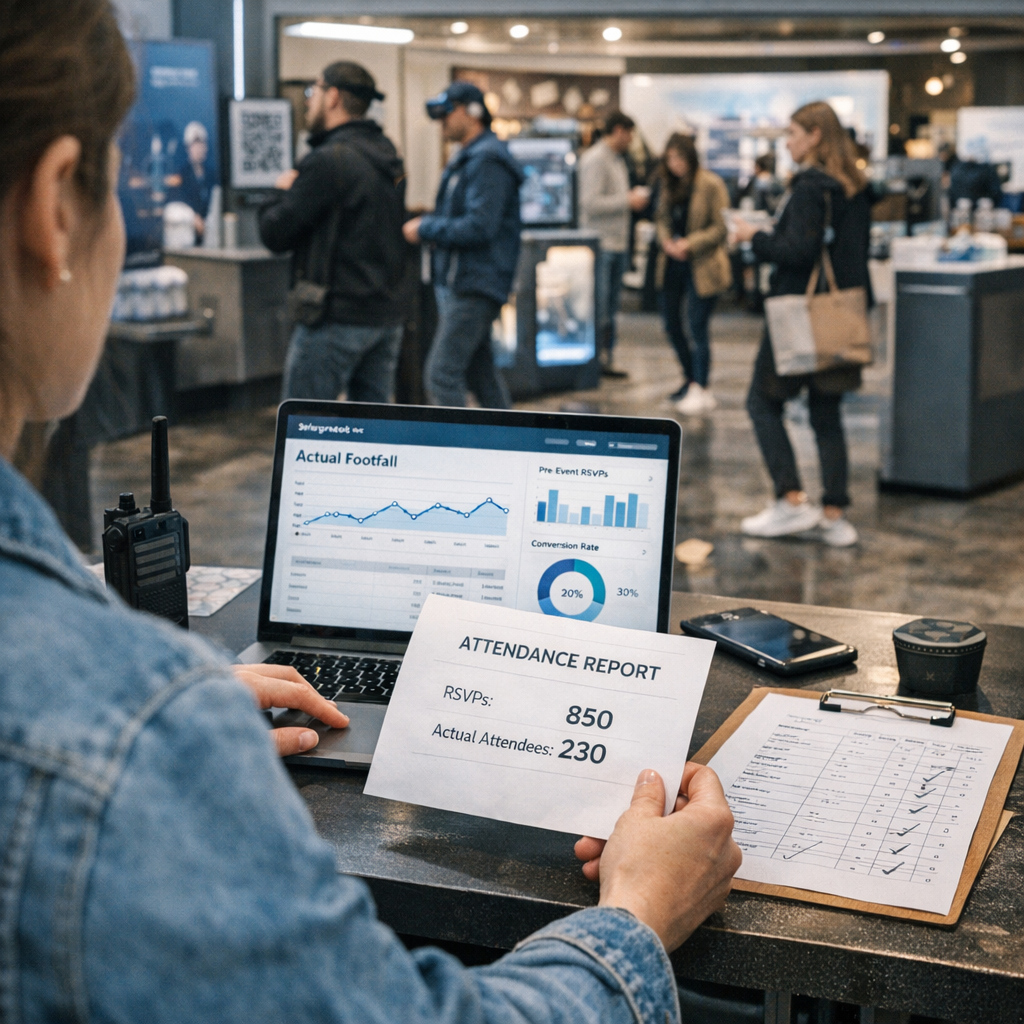
Last Thursday, in a cramped meeting room in London, a client pulled up their LinkedIn event page: 500 interested, 300 going, 73 through the door. The coffee had gone stewed and the room was oddly cold for March. That’s when the problem stopped looking like a media issue and started looking like an operating model issue.
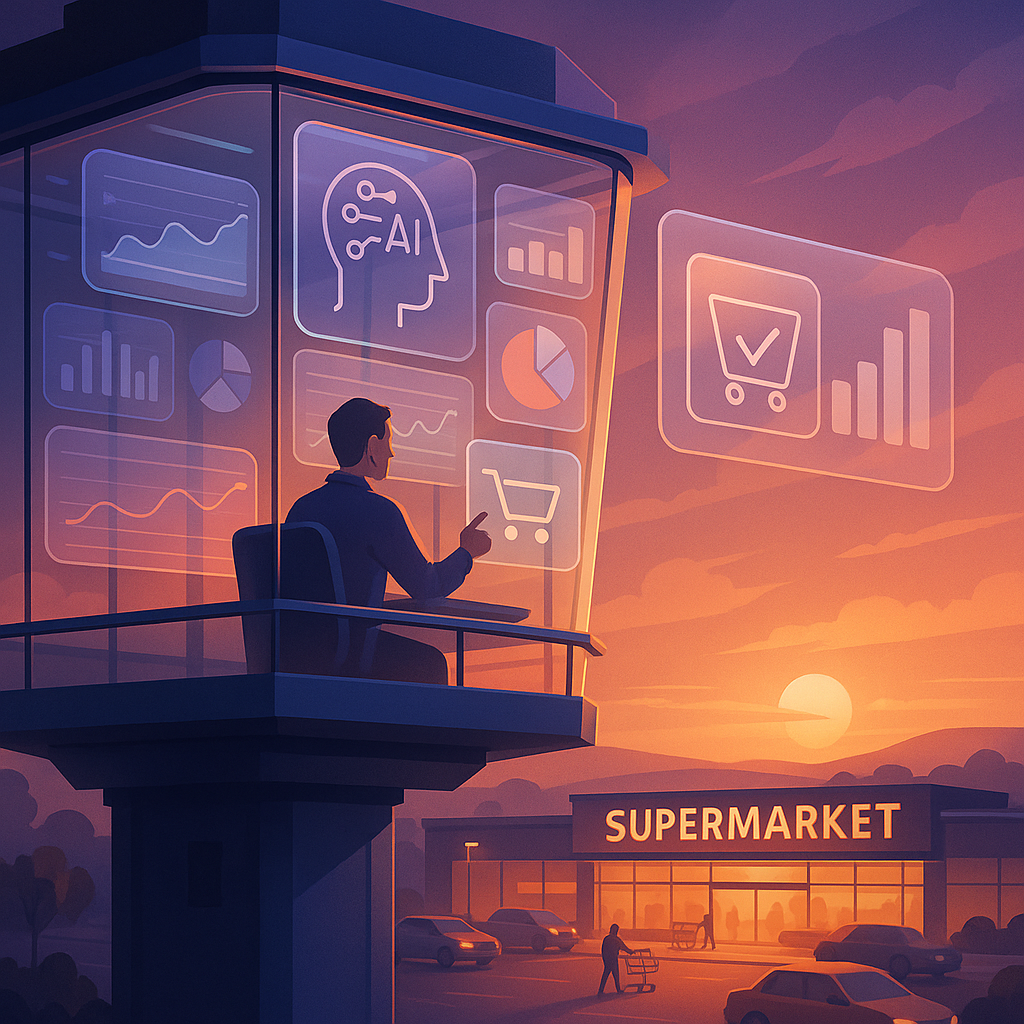
The short version is this: social interest is useful, but it is not attendance intent. If you run B2B events on platform signals alone, you will over-order, over-staff or overstate demand. The better model is layered: treat LinkedIn as the top of the funnel, ask for a second act of commitment, then measure what actually happened at the door and what moved after the event.
Signal baseline
There is a reason this matters now. Senior teams are being asked to justify physical spend with harder numbers, while social platforms still reward broad signals that cost audiences almost nothing to give. A click on “interested” is frictionless. A train ticket to Birmingham, two hours out of the diary and a proper conversation with a sales lead is not.
The Office for National Statistics quarterly personal well-being series and its local authority view are not event datasets, so they should be used carefully. Still, they are useful as background signal. They track measures such as happiness, anxiety and whether people feel the things they do in life are worthwhile across the UK, and that wider mood affects willingness to travel, show up and spend attention in person. It would be over complicated to claim a clean causal line from well-being scores to B2B attendance. What they do support is a more grounded planning assumption: human behaviour is uneven, context matters and digital gestures are a poor proxy for commitment.
That lands squarely in current experiential marketing trends uk teams need to face. We have become far too comfortable with soft numbers because they arrive quickly and look tidy in a deck. My view is blunt: if a platform cannot explain its decisions, it does not deserve your budget. And automation without measurable uplift is theatre, not strategy.
In 2025, we saw a similar pattern on an activation where QR scans climbed well ahead of forecast while physical footfall barely moved. The trade-off was obvious in hindsight. The low-friction mechanic generated more top-of-funnel participation, but it also widened the gap between curiosity and action. Useful reach, yes. Reliable turnout signal, not really.
What is shifting
The shift is away from headline registration volume and towards verified intent. That sounds almost insultingly obvious, yet plenty of event plans still hinge on platform counts as if they were booking deposits. They are not. Between January and March 2026, I tested a workshop flow that relied too heavily on LinkedIn registrations. The drop-off sat at roughly 60%. We fixed it with a simple hack: a timed confirmation step and a short pre-event call for priority attendees. Attendance then climbed to 85% of confirmed registrants.
That is the sort of boring operational adjustment people skip because the platform dashboard looks more exciting. Boring wins, cheers. A second step does reduce total numbers, which can feel uncomfortable internally, but the trade-off is worth having: fewer inflated leads, more realistic room planning, better staffed conversations and cleaner post-event reporting.
You can see the same principle in adjacent activation work. In the Ribena Monopoly AR campaign delivered by ARize and Holograph, the programme overshot its entry goal by 258%, but the mechanic worked because participation linked to a concrete experience rather than empty social signalling. In the Lucozade Energy Halo Galaxy AR activation, the reported 32% sales uplift came from joining imaginative experience design to real-world retail behaviour. Different channel, same lesson. The mechanic has to support the outcome you actually care about.
I still don’t fully understand why one live mechanic catches and another goes flat, but here’s what I’ve observed: when the audience can see what happens next, and the next step feels proportionate, conversion improves. Hidden process kills momentum. So does asking too much too early.
Who is affected
This hits marketing directors, loyalty leads and digital transformation teams hardest because they are usually the ones trying to reconcile three incompatible stories at once: what the platform reported, what the room looked like and what the commercial team expected. That gap is where confidence gets dented.
It matters even more in FMCG, retail, hospitality and entertainment, where event spend is often tied to broader activation, sampling or relationship-building goals. If turnout is overstated at planning stage, you can end up with the wrong venue footprint, the wrong staffing model and a performance wrap full of caveats. If turnout is understated, you risk bottlenecks, poor guest handling and missed follow-up. Neither is clever.
There is also a data discipline problem lurking underneath. Service information and direct marketing are not the same thing. ICO guidance is clear that direct marketing should be designed properly from the start, with lawful basis, clear explanation of how contact data will be used and straightforward objection and opt-out routes. For event teams, that means your operational check-in message should stay operational. Any later promotional follow-up needs to be separated and handled on its own proper footing. The trade-off here is speed versus trust. Push too hard on capture and follow-up, and response rates may rise briefly while confidence falls later.
I’m sceptical of the fashionable argument that virtual can replace physical for every senior B2B interaction. It can replace some of it, certainly. It cannot replace the texture of a room, the side conversation after a demo or the quick read you get from who stayed 40 minutes longer than planned. In premium categories, that still matters.
How to build a check-in model that holds up
Start with a simple rule: one signal to create awareness, another to confirm intent, a third to record arrival. In practice that means LinkedIn can still do useful work at the top of the funnel, but it should not be treated as your attendance ledger.
A sturdier model usually includes:
- a platform registration for reach and visibility;
- a second confirmation step by email, calendar accept or short form;
- a time-bound reminder 48 hours and 3 hours before doors open;
- a live check-in mechanism, such as QR or staffed guest list, that records actual arrivals;
- a post-event outcome measure tied to the objective, such as qualified conversations, demo completions or follow-up meetings booked within 14 days.
The value of this structure is not glamour. It is causality. You can see where intent dropped, where attendance held and whether the event created any measurable movement afterwards. If your objective is sales conversation quality, track that. If it is partner progression, track meetings advanced. If it is loyalty capture, use explicit opt-in and make the value exchange clear.
The Get Pro Coupons campaign is useful here for one reason: it showed a reported 43% uplift in email sign-ups by making the opt-in proposition clear at the moment of action. Different environment, same operating principle. Ask for data when the value is obvious, not buried in a vague promise of future updates. That is better for performance and better for compliance.
Actions and watchpoints
There are four watchpoints I would keep in view over the next quarter. One, stop forecasting attendance from “interested” counts alone; use a weighted model based on confirmed responses and prior show-up rates. Two, audit each event step for friction. If the audience cannot explain what happens after registering, rewrite it. Three, separate operational messaging from promotional follow-up so your data use stays clean. Four, review outcome measures within 7 to 14 days, while the signal is still fresh.
Cross-source corroboration matters here. ONS well-being datasets offer useful national and local context about the public mood. Campaign precedent gives us practical evidence from named programmes with measured outcomes. Operational event data then tells you what held true in your own environment. Put together, that is far more reliable than taking a platform’s vanity numbers at face value.
One last rough edge, because real life is not neat: some events with mediocre pre-registration still produce excellent commercial outcomes, while some with huge social noise go nowhere. That does happen. Which is precisely why turnout is only one measure. The room count matters, but what happened in the room matters more.
So yes, treat social interest as a signal. Just don’t confuse it with commitment. If you want to design an event model that stands up to scrutiny, from registration flow to check-in logic to performance wrap, have a word with the Holograph studio. We’ll help you build something grounded, measurable and a lot less vulnerable to LinkedIn inflation.
Book a chemistry session with the Holograph studio team.