Full article

When a supermarket recall lands at the same moment as a voucher surge, the problem is rarely the voucher itself. It is the decision chain around it: which products are affected, which stores need stock pulled first, which customers should be contacted, and how compensation is issued without creating a second queue behind the first. That is where AI recall management starts to earn its keep, or expose its limits.
The sensible view is less glamorous than the sales deck version. Good systems do not perform magic. They help retail teams connect signals, remove avoidable lag and show their workings under pressure. If a platform cannot explain its decisions, it does not deserve your budget. Cheers, but that bit matters more than the demo.
Signal baseline
North Yorkshire is a useful operating lens because it combines rural routes, market towns and supermarket catchments that can swing sharply around school holidays, weather and local promotions. A recall in that environment does not stay neatly inside one store estate. It ripples across distribution, customer service and voucher redemption, often within hours.
Office for National Statistics datasets are useful here as context rather than proof of retail causality. The quarterly personal well-being series and local authority well-being estimates show how public sentiment can vary by place and period, while the weekly regional datasets show how quickly operational conditions can differ across England and Wales. They do not tell you how many vouchers will be redeemed in North Yorkshire next Tuesday, obviously. They do show why local conditions matter and why blunt national assumptions tend to make over complicated operations worse.
Last Monday, in East Sussex, a delivery alert went off while I was reviewing an intake flow and the whole thing felt oddly familiar: that same faint hum of a system trying to look calm while too many moving parts were already drifting. That is when I realised most recall plans are written as compliance documents, then tested as operations systems. Those are not the same thing, and the trade-off is plain enough: tighter control usually means slower exceptions unless the workflow has been designed for both.
What is shifting
Retail incidents used to be managed as separate tracks: stock withdrawal in one system, customer messaging in another, voucher remediation somewhere else, often with a spreadsheet trying heroically to mediate between them. That worked, sort of, when volumes were lower and store estates were simpler. In 2026, with customers expecting near-immediate updates and operations teams juggling multiple channels, that fragmentation becomes expensive very quickly.
AI recall management, used properly, links three decisions that should never have been split apart: product risk, customer impact and remedy fulfilment. In a supermarket voucher scenario, that means matching affected SKUs to stores, identifying who may need a replacement or goodwill voucher, and setting clear issue rules before the contact centre is overwhelmed. The measurable trade-off is straightforward. More automation reduces handling time, but only if the logic is scripted clearly enough that teams can override edge cases without causing rework.
I still don’t fully understand why some retailers persist with opaque scoring layers for urgent operational decisions, but here’s what I’ve observed: the moment a store manager cannot see why a voucher batch was released, trust in the system drops and manual workarounds start. Automation without measurable uplift is theatre, not strategy.
Who is affected
The obvious pressure lands on retail operations leaders, store managers and customer service teams. Less obvious is the load on compliance, finance and commercial planning. A poorly handled recall can trigger duplicate vouchers, inconsistent messaging and stock distortions that carry into the next trading cycle. In a county like North Yorkshire, where store formats and travel distances vary, the same central decision can produce very different customer outcomes in Harrogate, Scarborough or Northallerton.
Customers feel the friction fast. If one branch honours a voucher immediately and another delays because the guidance is unclear, the issue stops being about the recalled product and becomes a question of fairness. That is not abstract brand language; it is operational inconsistency made public. The practical trade-off is this: highly local discretion can improve service in edge cases, but too much of it creates uneven remediation and weak audit trails.
For leadership teams, the cost is rarely just refunds. It is time lost reconciling decisions after the event, pressure on contact volumes, and a weaker evidence base when someone asks why one cohort received a voucher and another did not. Named actors matter here: store teams, contact-centre supervisors, category managers and incident leads all need the same operating picture, not four polite approximations of it.
Actions and watchpoints
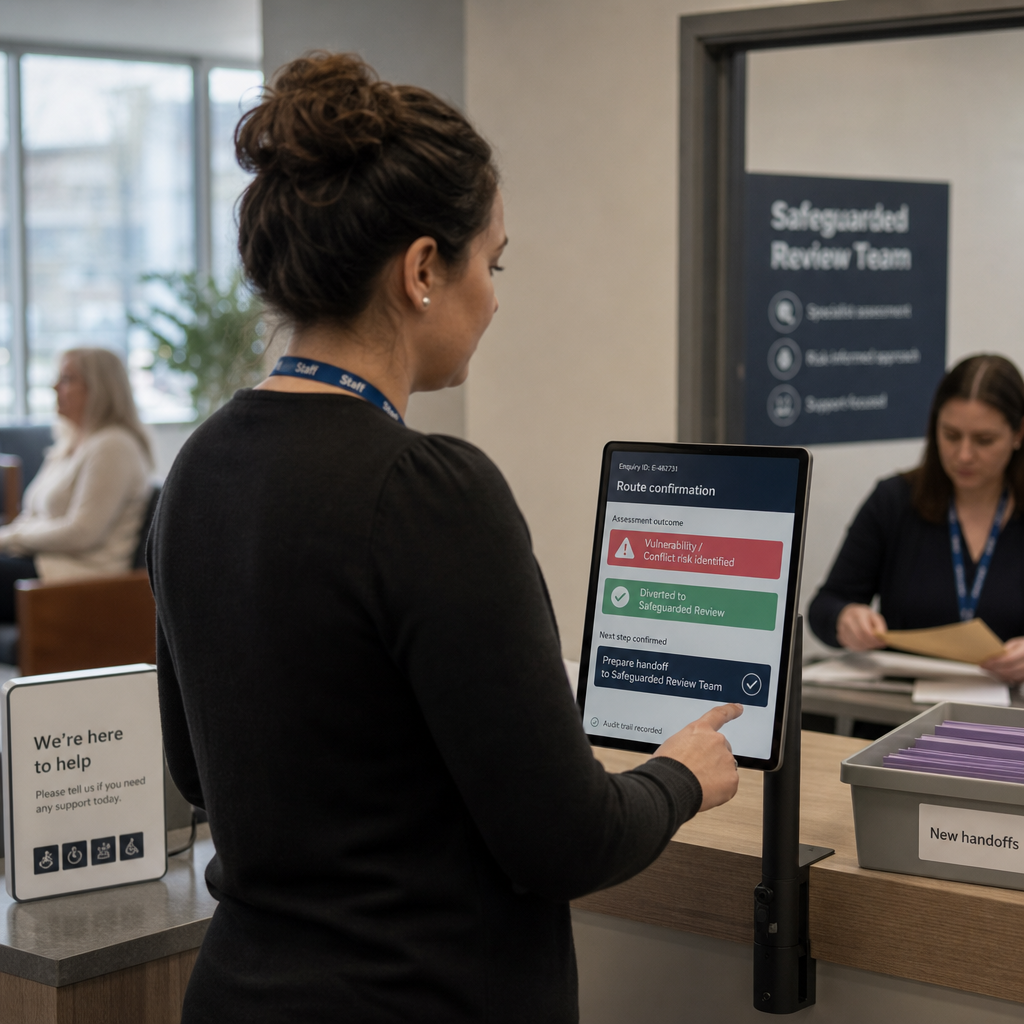
A workable command centre for recall and voucher handling should do four things well. First, identify affected product and location combinations quickly, ideally by store, date and batch rather than broad category guesswork. Second, direct customer remediation rules clearly, including whether vouchers are issued automatically, on claim, or after manager review. Third, log every decision path so finance and operations can reconcile what happened. Fourth, expose exceptions early enough that humans can intervene before the queue becomes the story.
That sounds tidy on paper. In practice, the detail is where systems earn their keep. Between 09:00 and 11:30 last week, I tried mapping a simple incident route from product flag to voucher issue and hit the usual small failure: one rule looked sensible in isolation but broke once a customer had already received a separate promotional offer. Fixed it with a brutally simple hack , force remedy priority order before fulfilment, not after. It is not glamorous. It is the difference between one clean customer outcome and three avoidable calls.
Watch for robotic keyword stuffing in system labels and user messaging. Customers do not think in terms like “decision intelligence for supermarkets”, and frontline teams should not have to translate machine-scented logic into plain speech. Use direct language, clear thresholds and dates attached to every active rule. If a recall starts on 14 March 2026 and a voucher expires on 30 April 2026, say exactly that. Precision beats polish every time.
Where QuickThought fits
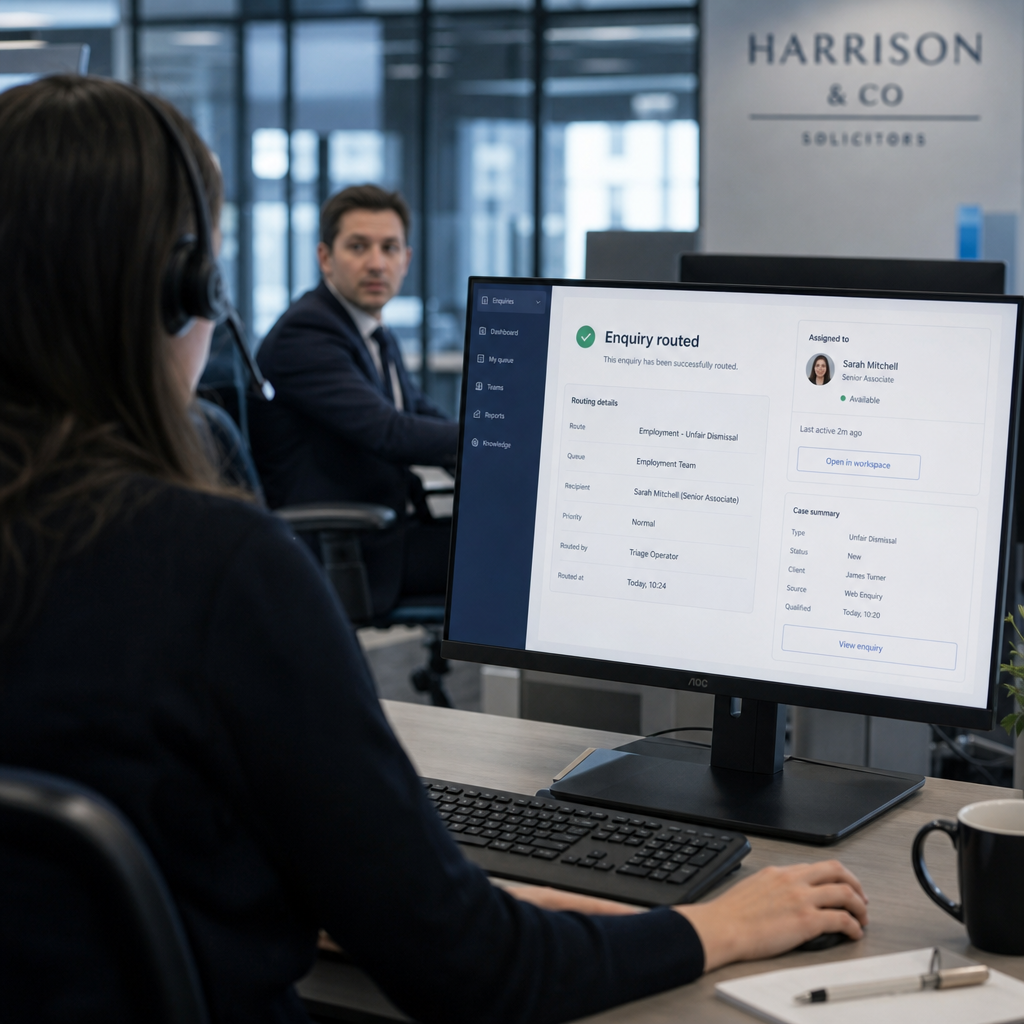
QuickThought is useful when the challenge is decision discipline rather than generic AI theatre. The point is not to let a black box improvise recall handling. The point is to create a clear, auditable decision flow that supports teams under pressure, routes exceptions sensibly and leaves a record of why each action happened. When implementation ownership matters, that is where Holograph tends to focus: designing the logic, the routing and the evidence trail so operations leaders can inspect the machinery rather than simply hope for the best.
There is a concrete trade-off here too. A stricter scripted flow can feel less flexible at first, especially to teams used to fixing problems ad hoc. Yet that same structure usually reduces duplicate work, narrows policy drift and makes post-incident review far less painful. In regulated or high-volume environments, that is usually the better bargain.
If your retail operation is dealing with recalls, voucher surges or the awkward overlap between the two, the principles here apply directly to legal intake where clarity and auditability are non-negotiable. For a hands-on look at how scripted decision playbooks can reduce handling time and support compliance, book a compliance-first intake walkthrough with QuickThought. That conversation is probably overdue if you want your logic to stand up on a messy Tuesday afternoon.