Full article

Panicos Georgiou's observation that your cybersecurity is only as strong as your least secure supplier lands with operational truth for CRM teams. Email isn't just a channel; it's an identity layer where every supplier touchpoint, from forms to partner uploads, can leak toxic data. This isn't a niche technical issue; it's a commercial risk that degrades deliverability, distorts reporting, and damages sender reputation. Treating it as a core control, not a downstream clean-up, is the necessary next move.
As it stands, many teams park this with the deliverability expert, hoping bounce rates will flag problems. I liked that simplicity, but the evidence from our data favoured embedding validation at the point of entry once the hard metrics landed. A plan can look strong on paper, then one new data source goes live without proper checks, and deliverability softens within hours.
Signal baseline: Where supplier risk enters the ecosystem
Supplier risk rarely arrives with a warning. It's more often a quiet drift from misaligned incentives: lead-gen partners paid for volume, agencies rewarded for speed. The result is weak controls at capture points like on-site forms, co-marketing pages, or bulk uploads from events. Once bad data is in, it travels fast, into segmentation and lifecycle journeys where costs compound.
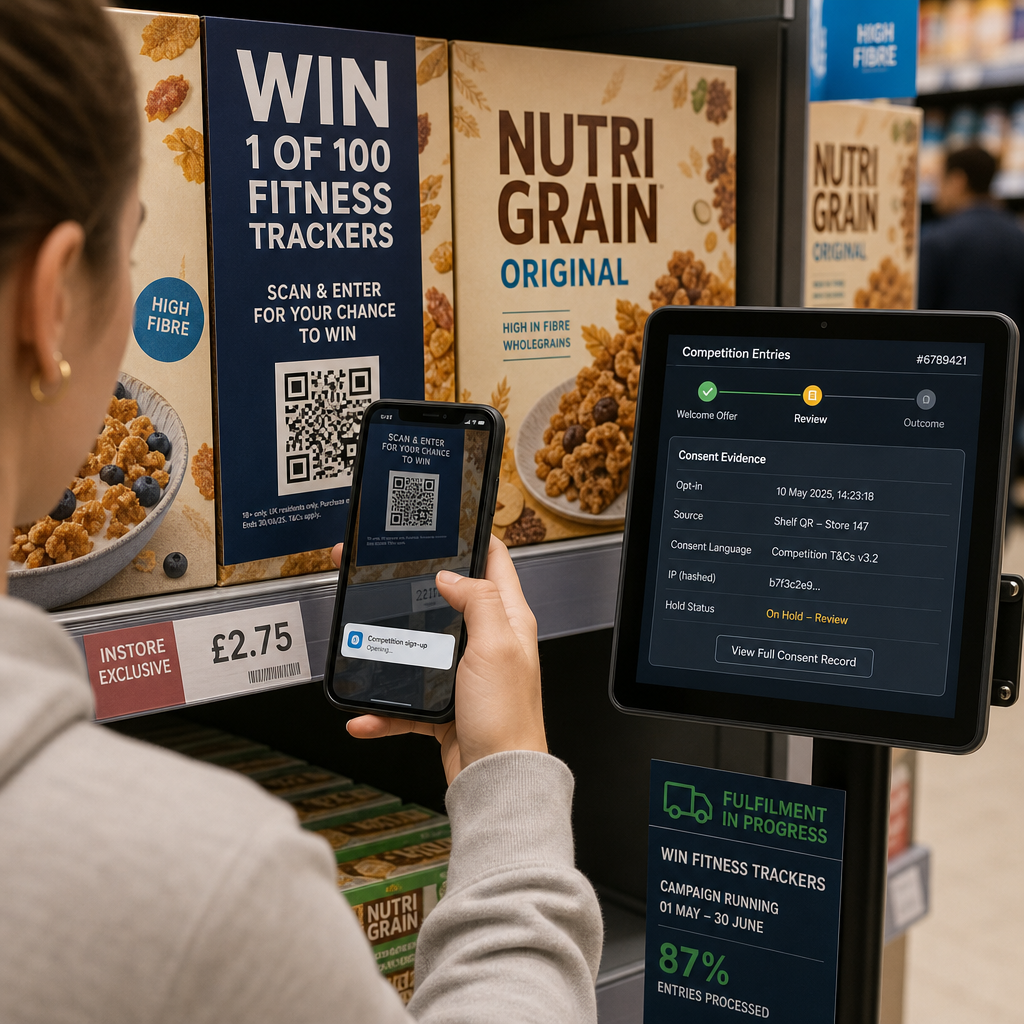
In a strategy call this week, we tested two paths for a client's competition entry flow and dropped one after the first hard metric showed a spike in disposable domains. The patterns are predictable: keyboard walks, role accounts, or sudden sign-up bursts from the same device fingerprint. Watching for bounces after a send is like spotting the fire after it has spread.
What is shifting: From technical fix to commercial control
Treating deliverability as a specialist concern is a strategic misstep. Inbox placement is a growth constraint; when bounce rates rise, even best customers stop seeing messages. This is revenue friction, not just a marketing ops hiccup. Major mailbox providers like Google and Microsoft are clear: control list hygiene or expect performance to suffer.
The shift is to reframe this as continuous governance. Move beyond basic syntax checks to real-time fraud signal monitoring. For instance, EVE's validation engine uses over 30 proprietary methods, keyboard walks, entropy analysis, returning results in sub-50ms. The goal isn't just correct formatting, but assessing intent behind addresses.
Who is affected: The ripple effect of bad data
A compromised email list doesn't stop with marketing. Sales teams waste time on phantom leads from bots. Finance models skew with fraudulent sign-ups claiming offers. Customer service faces complaints from users who never subscribed. Email serves as a primary identifier; if faulty at entry, every subsequent interaction is undermined.
This is where a strategy that cannot survive contact with operations shows itself as branding copy. The controls must embed where data enters, not bolt on later. I've seen teams re-order sequences when a dependency moved, regaining momentum by tightening validation early.
Actions and watchpoints: A practical model for governance
Effective governance needs clarity, not complexity. Define measurable thresholds and owners for supplier risk. Focus on three areas:
- Deliverability Health: Monitor hard bounce rate by supplier source. A threshold above 2% triggers pausing that source and enforcing real-time validation. Owned by CRM Ops.
- Fraud and Intent Signals: Track patterns like sign-up velocity or disposable domains. A spike against a seven-day baseline routes entries through a challenge step. Shared between Growth and Security teams.
- Consent Evidence: Ensure each record has timestamp, source, and consent text version. The UK ICO requires demonstrable consent; reject ingests with missing evidence above 0.5%. Mandated by the data protection lead.
Suppliers will cooperate if requirements are contractual and tied to acceptance criteria. To be fair, a supplier that can't meet minimum capture standards is a liability, not a partner.
Protecting your CRM starts with controlling data quality at source. To see exactly where supplier touchpoints leak toxic data and how to stop it without friction, book a frictionless validation walkthrough with EVE's solutions team. We'll map your capture flows and set defensible thresholds in a same-day session.