Full article
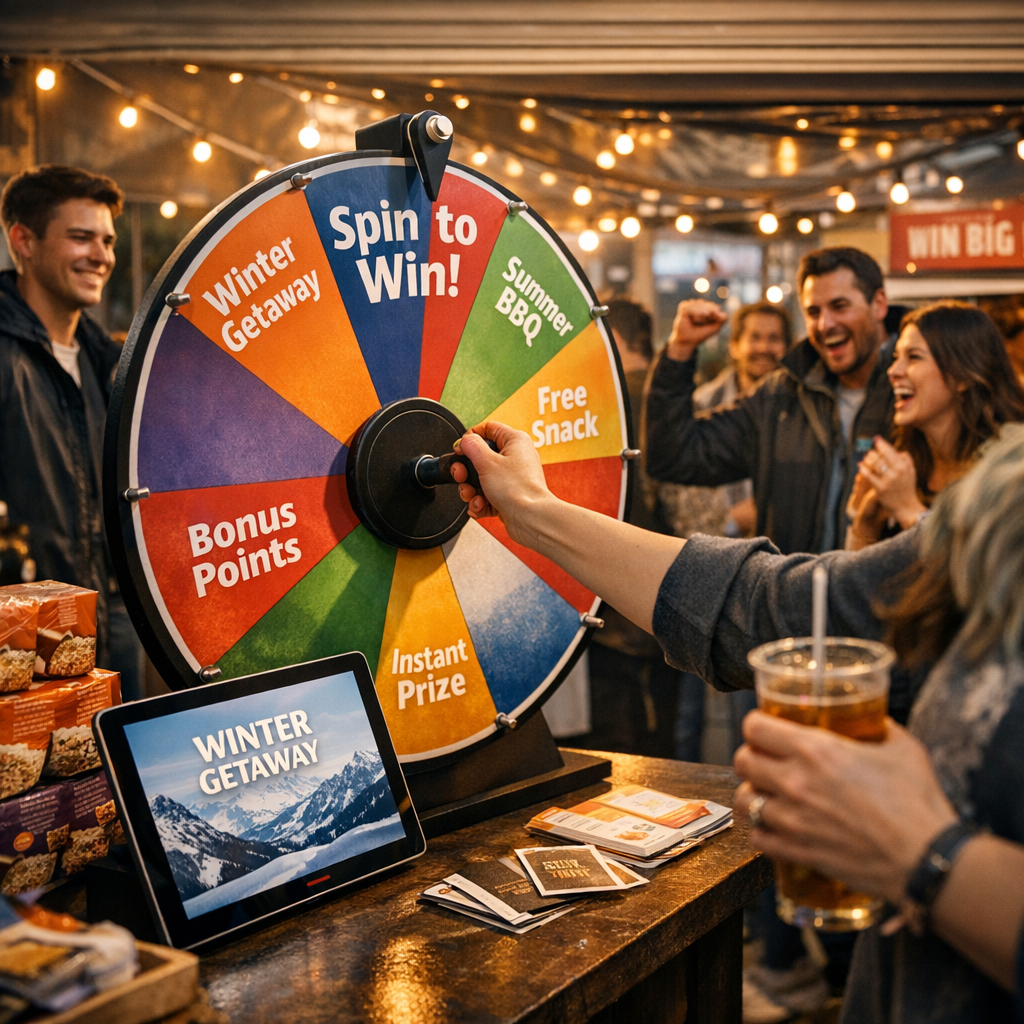
Weather-sensitive loyalty gets plenty of attention, yet most failures happen after the audience has already shown up. Rain, cold or heat can change timing. What they change faster is tolerance for friction.
That is the real choice for UK pop-ups. Seasonal timing cues can lift attention and help catch a useful moment. Redemption mechanics decide whether anyone completes the claim, returns, or disappears at the final step.
The practical answer
If budget is tight, fund the redemption journey first and layer timing cues on afterwards. Seasonal timing is usually cheaper to test because it leans on planning and media. Redemption mechanics cost more upfront. They need integration, QA, staffing, and a fallback when the signal drops or the queue bunches up.
The trade-off is blunt. Timing can improve visibility. Mechanics give you something you can actually measure. If a platform cannot explain its decisions, it does not deserve your budget. The same standard should apply to an activation that cannot show completions, drop-offs, assisted claims, or where the queue started to fail.
What the delivery evidence proves
Seasonal timing cues are useful because they add context, not because they remove operational friction. The Office for National Statistics publishes quarterly personal well-being estimates and local authority data covering measures such as happiness, anxiety and life satisfaction. That can help regional planning. It does not tell you whether someone standing outside in ordinary British conditions will tolerate a clumsy reward flow.
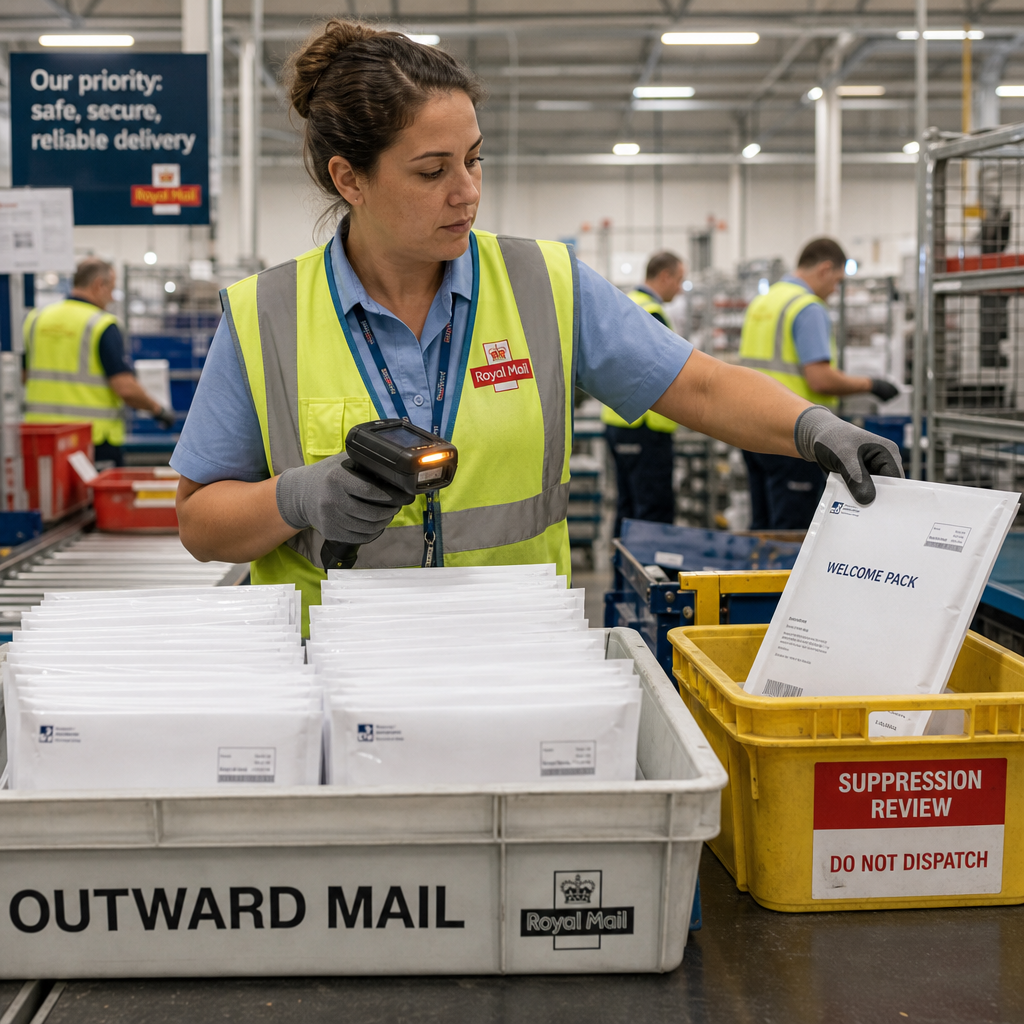
Redemption mechanics do a different job. QR codes, ONECARD wallet passes, short forms and staff-assisted check-in convert attention into traceable action. This is where many experiential marketing trends UK teams pursue either earn their keep or fall apart. Automation without measurable uplift is theatre, not strategy.
The public Holograph and ARize case study on Lucozade Energy gives the clearest proof point here. The Halo Galaxy AR activation delivered a 32% sales uplift because the engagement path and redemption path worked together cleanly. That is the useful lesson. Not that AR is automatically effective, but that the mechanic held long enough for the commercial result to show up. Timing gets people to look. Mechanics get them to finish.
Where the tension really sits
The hard constraint is usually integration, not forecast quality. Weather-led concepts are easy to approve in a deck because the logic is neat. Redemption journeys are where the real work starts: first-party data handoff, GDPR controls, opt-out language, assisted completion, and a version of the journey that still works when conditions are merely annoying.
That last point matters more than teams often admit. No notable national weather event is flagged in the current brief, which is exactly why this matters. Fragile mechanics do not need a storm to fail. They fail in drizzle, on damp pavements, with cold hands, weak mobile reception, or when a member of staff has to rescue the claim flow.
Audiences will forgive timing that is slightly off. They are far less forgiving when redemption feels over complicated. Context can miss by a little and recover. Effort feels personal straight away.
Related product fit
For teams comparing product routes, the split is fairly clear. MAIA can support decisioning and orchestration around timing and audience handling. ONECARD suits wallet-based loyalty and repeat redemption. POPSCAN fits QR-led participation and proof capture at the physical touchpoint. DNA matters when the real challenge is reliable data flow, consent handling and attribution across the activation stack.
The right sequence is usually less glamorous than the pitch version. Choose the mechanic that can survive ordinary inconvenience, then decide whether weather or regional timing signals deserve optimisation budget on top.
Designing for British weather without making a song and dance about it
British weather calls for tolerance in the build, not theatrical contingency language. The live brief cites East Sussex at around 7b0C, partly cloudy, with winds near 19 mph. That is not extreme weather. It is a decent test of whether the mechanic has any operational slack in it.
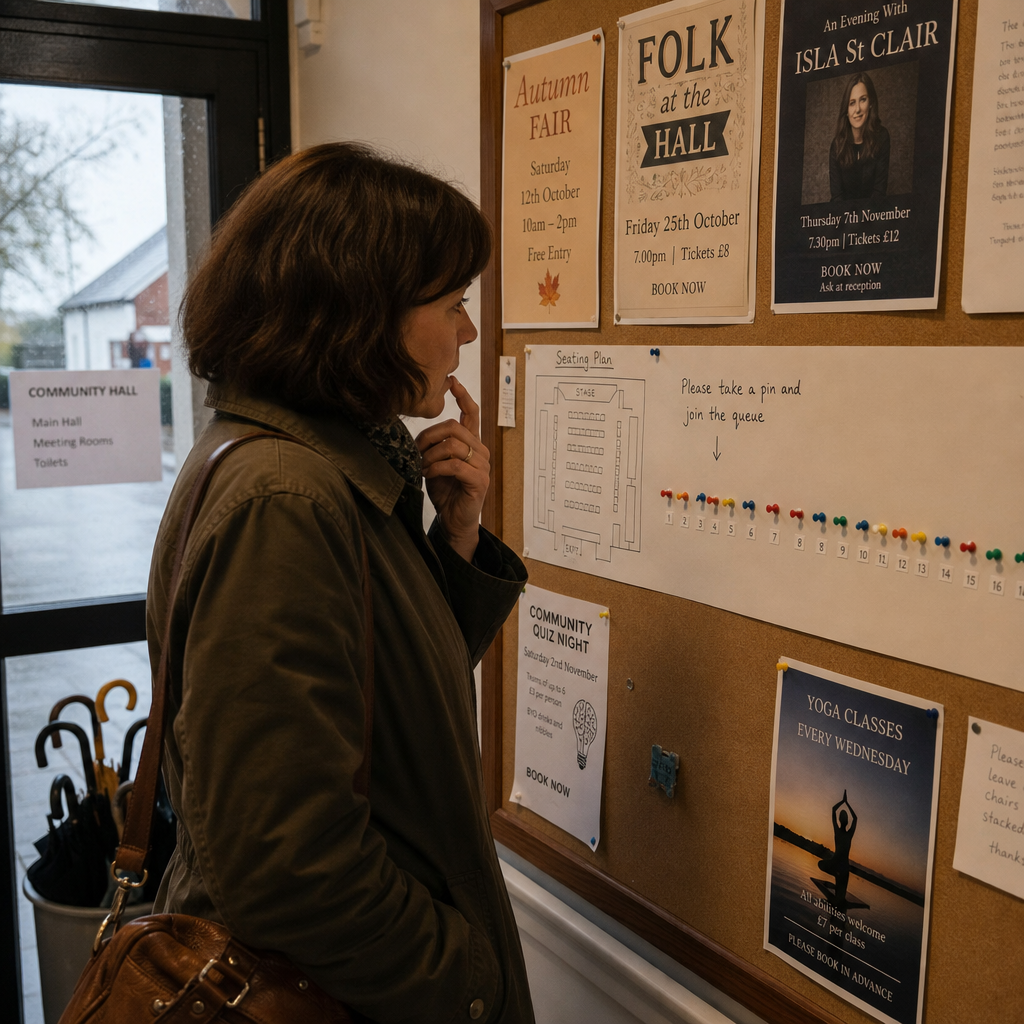
Design for that level of inconvenience. Use sheltered scan points. Keep embedded forms short so the claim does not turn into a scrolling exercise on a wet phone. If you collect email addresses, offer a clear opt-out from marketing. If the activation depends on sharing or UGC, define what counts as entry and make the evidence traceable. Vague social proof is useless once fulfilment, compliance, or fairness gets questioned.
| Focus area | What it tends to improve | Main trade-off |
|---|---|---|
| Seasonal timing cues | Attention, topical relevance, footfall spikes | Weaker operational control, harder to attribute |
| Redemption mechanics | Completion rate, repeat visits, data capture | Higher setup effort, requires rigorous QA |
The next sensible move
Treat weather as an optimisation layer, not the base system. Build a redemption mechanic that works indoors or outside, with patchy signal, wet hands and staff support when needed. Then test whether seasonal timing cues by region deliver enough extra footfall to justify the planning overhead.
In practice, that means proving the reward journey converts cleanly, checking the data handoff, and watching where assisted completion starts to rise. Only then is it worth asking whether timing signals should steer the activation harder.
If the final step is awkward, the neat planning logic behind it will not save it. For flagship activations weighing these trade-offs carefully, book a chemistry session with the Holograph studio team. Design an experience that measures up.
Proof and original case study
This interpretation draws on a public Holograph case study and named public data sources. For the original source detail, see more Holograph case studies and holograph.digital.