Full article
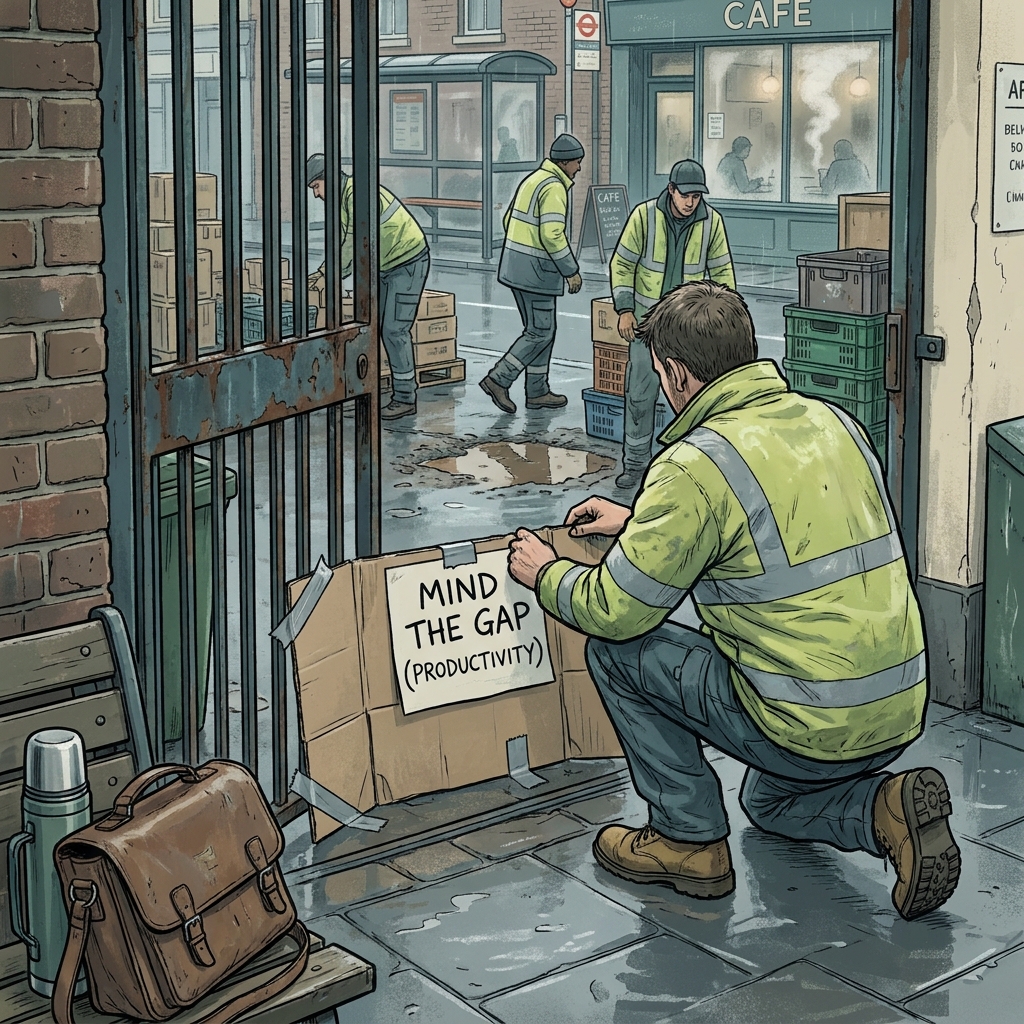
What should a team understand first about Quill? It treats quiet, repetitive signals as evidence of human behaviour rather than just system noise. Workplace safety data is a perfect example. Read carefully, it reveals far more than a simple compliance check. It shows whether people actively participate in a system, whether small frictions are addressed, and whether daily work is harder than necessary.
That matters because the real signal sits in the ordinary details. The neat official version is a tidy spreadsheet. The slightly messier human version is a cluster of near-miss notes, repeated fixes and familiar frustrations constantly rubbing against the same physical edge.
What happened
Safety and productivity are usually split into separate organisational silos. EcoOnline’s report, 92% of Workers Say Safety Boosts Productivity, but Operational Risks Are Undermining Retention and Business Growth, dismantles that divide. Most workers see the link clearly. Unresolved physical risks quietly damage both retention and growth.
Once a recurring slip hazard causes delays, safety data stops being a side ledger. It becomes a measure of participation. Are people logging the issue in plain language? Are small corrective actions piling up in the same category? Those modest clues usually reveal the health of the whole operation.
What looks ordinary at first and what it actually reveals
What looks ordinary at first is a single report about a badly placed trolley. What it actually reveals is operational drag happening long before standard performance metrics catch the delay.
A clean spreadsheet might reflect excellent control. It can also reflect a workforce that has given up reporting because the effort feels utterly pointless. You have to look at closure speed, repeat categories and the severity mix. The quiet productivity signal sits in the repetition, not the headline count.
What this means in practice
Before shipping targets are missed, you will often find a steady build up of compensation work. Avoidable tidying, awkward reach, bad labelling, the threshold where visitors always hesitate. Add them up. They steal attention.
Safety reporting matters because staff describe these frictions in working language, not management speak. A recurring workaround is not just anecdotal colour. If the same small adaptation appears weekly, the system is leaning heavily on patience. You realise quite quickly that people are at their most interesting when they silently patch a broken process without waiting for permission.
What changes if you act now
The best next step is corroboration. If incident logs flag congestion at shift change, cross-read that against absence patterns or fulfilment delays. This takes longer than lifting a neat claim from a single dashboard, but it gives you a much sturdier truth.
Quill helps turn these soft signals into sharp briefing rules. If an oddity appears, the goal is not to romanticise it. The goal is to ask what comparison will test it properly. Check whether the recorded fix actually held. That keeps the story evidence-led without flattening the human detail out of it.
What the reader should do next
- Read safety alongside performance: Treat logs as operational evidence. Pick one recurring access issue and test whether it lines up with staffing strain.
- Value plain language: Make it easier to record detail. The shelf that invites a shortcut is an informative texture.
- Adjust scorecards: Avoid treating low reporting as an isolated win. Measure closure time and returning issues.
- Use human detail carefully: Lead with constructive examples that clarify the systemic drag rather than sentimentalise it.
Workplace safety data across the UK rarely announces itself as a productivity story. It arrives as the same minor nuisance surviving another week. Read closely enough, it shows where work is well designed, and where it is held together by people being far more accommodating than systems deserve. If your team has noticed a recurring pattern but has not yet tested it, Quill can help turn that oddity into a structured brief. Prove the gain on one controlled route first.