Full article
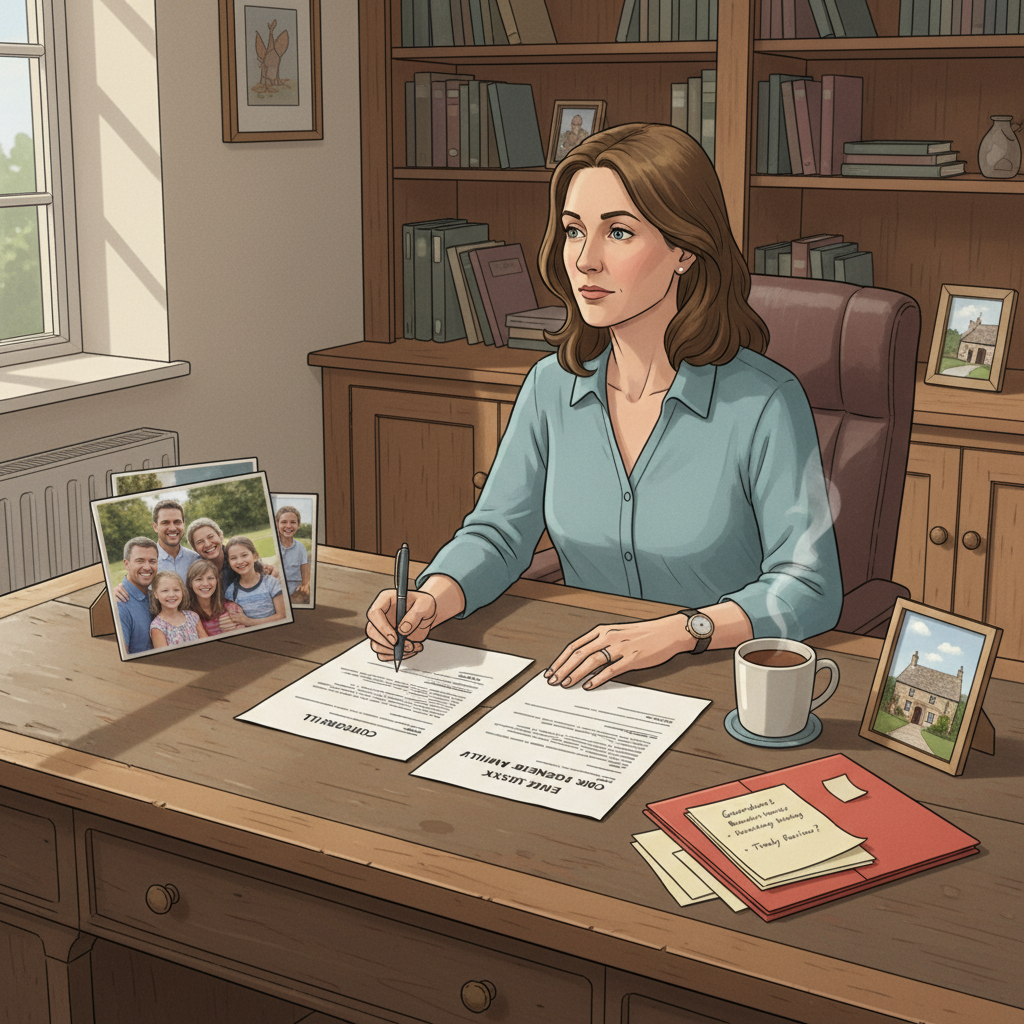
Blended family wills frequently fail on legal details. Remarriage can revoke an existing will unless drafted in contemplation of that marriage, per GOV.UK guidance. Divorce leaves risks intact, and stepchildren require explicit wording to inherit. When family structures shift but the will stands unchanged, risk accumulates.
When a blended family should review a will now
Review a will after remarriage, property acquisition, or children coming of age. If several changes have occurred since the last signing, a review becomes necessary. Outdated documents cannot accommodate current family dynamics.
The first checks to make before you assume the will still works
Confirm the will's validity post-marriage or divorce. Next, assess executors, guardians, asset ownership, and beneficiary nominations. Pensions and life insurance typically bypass the will through separate forms, MoneyHelper advises.
| Check | Why it matters in a blended family | What to verify |
|---|---|---|
| Marital status after signing | A later marriage can cancel the will | Whether the will was made in contemplation of marriage |
| Executor appointments | Old choices may no longer suit current relationships | Whether named people are still appropriate and willing |
| Asset ownership | Joint ownership can override assumptions in the will | How the home and savings are legally held |
| Pension and policy nominations | These may pass outside the will | Whether beneficiary forms are current |
Why stepchildren and beneficiary wording need explicit decisions
Stepchildren do not inherit automatically under intestacy rules in England and Wales unless adopted, GOV.UK confirms. Specify beneficiaries by name to secure their inheritance. Clear wording prevents common oversights.
What guardians can and cannot do in a blended family will
Guardianship confers legal responsibility for children under 18, but practical day-to-day matters fall outside its scope, Citizens Advice clarifies. Appointments should account for real-world care logistics.
Where former spouses, new marriages and old assumptions create risk
Wills naming former spouses as executors or beneficiaries introduce clear risks. Review promptly following marriage, separation, or property transactions to avoid layered complications.
A simple review checklist to bring to East Sussex Wills
Bring these items for an effective review:
- Your current will and any codicils.
- Details of marriage, civil partnership, divorce or separation since signing.
- A list of children, stepchildren and intended beneficiaries.
- Current executor and guardian preferences.
- Property ownership details.
- Pension and life policy nomination details.
- Any concerns about fairness between households.
When family circumstances evolve without will updates, schedule a consultation with East Sussex Wills to align the document with reality.
If this is on your roadmap, East Sussex Wills can help you run a controlled pilot, measure the outcome, and scale only when the evidence is clear.