Full article

Automation speeds campaign reporting, yet safety isn't automatic. Systems that reduce manual effort can blur accountability when figures are challenged, tracking fails, or outcomes seem overly sanitised for the messiness of delivery. UK brand teams face a clear divide: standardised tasks versus judgement calls requiring a named owner to defend methodology and meaning.
Leaders demand quicker insights with diminished patience for vague attribution. A weekly trend line differs fundamentally from a final effectiveness assessment; automation relies on consistent rules, yet campaigns frequently involve chaos. Achieving this balance delivers not only faster dashboards but also evidence robust enough to withstand scrutiny.
Decision context
Reporting volumes and scrutiny increase, with procurement and finance posing harder queries. Fully automated routes commonly fail when dependencies alter or source naming evolves, as testing demonstrates. A solid plan on paper may encounter a shifted data dependency, necessitating a recalculation of results. Here, human insight proves critical for preserving integrity.
Options and trade-offs
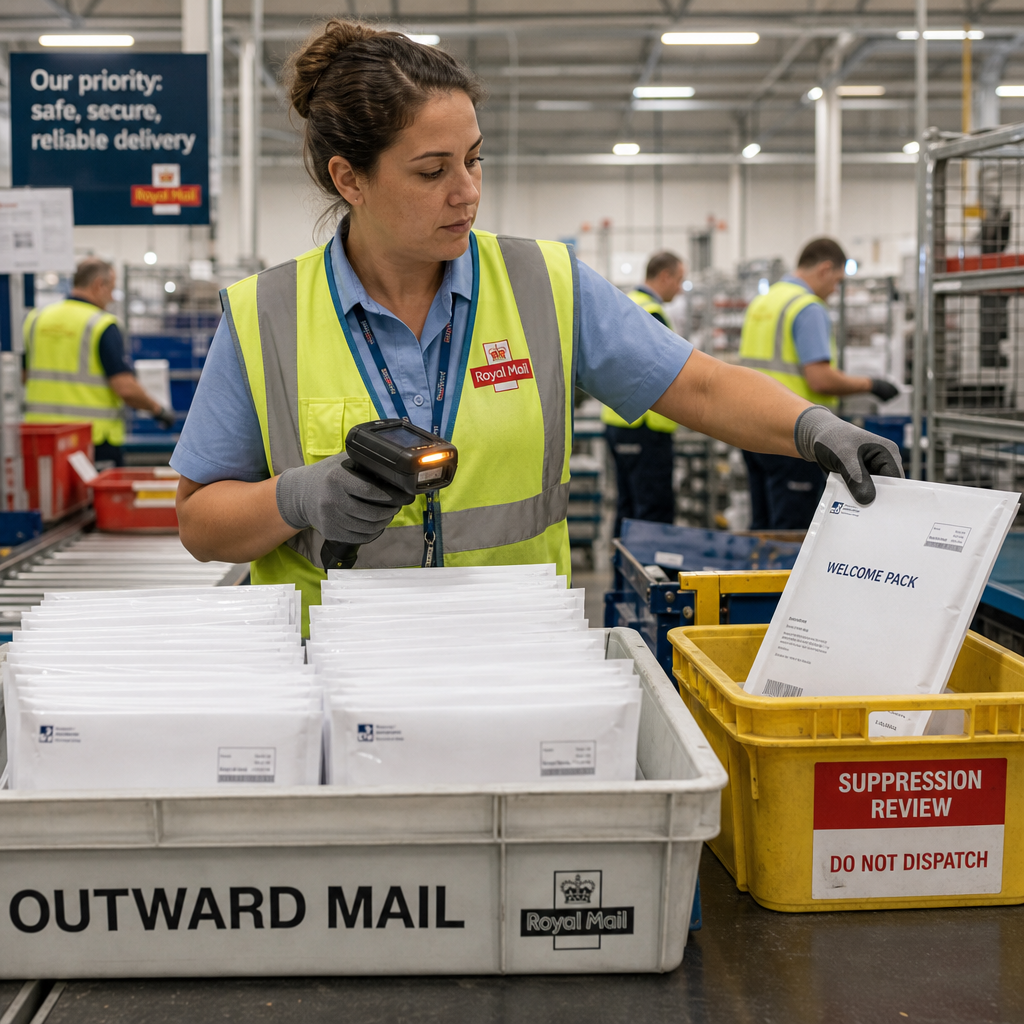
The decision isn't between full automation and manual assembly; it's about allocating tasks to the appropriate operator. Machines thrive on repetition and precise timing, managing repeatable processes such as data ingestion from consistent platforms, standard KPI computations, and regular anomaly alerts. Automating weekly paid media summaries, for instance, cuts copy-paste mistakes and liberates time for analysis.
Accountability remains non-negotiable where reporting shifts from counting to claiming. Attribution choices, exception handling, baseline selection, and commercial interpretation need a named owner. Automating commentary might report a scan increase of 18 per cent, but it cannot explain whether that stems from creative strength, retailer placement, or a data sync delay. A named analyst must make that call and document uncertainties.
| Reporting task | Automation benefit | Accountability constraint |
|---|---|---|
| Scheduled data pulls from approved platforms | Reduces manual handling and error | Only reliable if source fields stay stable |
| Standard KPI calculations | Ensures consistent formula application | Requires locked definitions and change control |
| Anomaly alerts for spend spikes or broken tracking | Flags potential issues faster than human review | Thresholds need tuning to avoid noise |
| Asset and approval time-stamping | Creates a stronger audit trail than inbox chains | Only works if teams use the system consistently |
Risk and mitigation
The primary risk is false confidence: automated reporting may present incomplete data as conclusive simply by being timely, concealing data quality problems. Yahoo News UK's report on inaccurate coverage of devolved issues in Wales illustrates how audiences suffer when complexity is forced into an incorrect framework—a caution for campaign summaries based on inconsistent naming or contested logic.
Mitigation begins with control points, not additional software. Key actions involve locking KPI definitions pre-launch, designating a named owner for source-of-truth fields, preserving timestamped exports for disputed figures, and ensuring caveats are apparent. In promotions, maintain audit logs and exclusion checks; credibility hinges on procedural evidence. Teams cannot automate their way out of poor upstream discipline.
Recommended path
For most UK brand teams, the optimal approach is a split model: automate assembly while retaining human sign-off for interpretation or risk points. Admittedly, it lacks the allure of full automation, yet it endures operational realities. A strategy that fails under operational pressure is mere branding copy, not genuine strategy.
Execute this by automating data collection, standard calculations, and version-controlled outputs, then mandating named approval for methodology, exceptions, and external summaries. When a campaign turns into a public case study, incorporate constraints and baseline assumptions alongside headlines. The commercial benefit is evident: accelerate this quarter through repetitive task automation, and minimise future rework by upholding accountability where errors prove costly.
If your reporting stack expands quicker than your confidence, now is the time to map handovers and assign named accountability. For a practical perspective on deploying this split model with Kosmos, contact Holograph to stress-test your workflow before the next campaign compels action.
If this is on your roadmap, Holograph can help you run a controlled pilot, measure the outcome, and scale only when the evidence is clear.