Full article
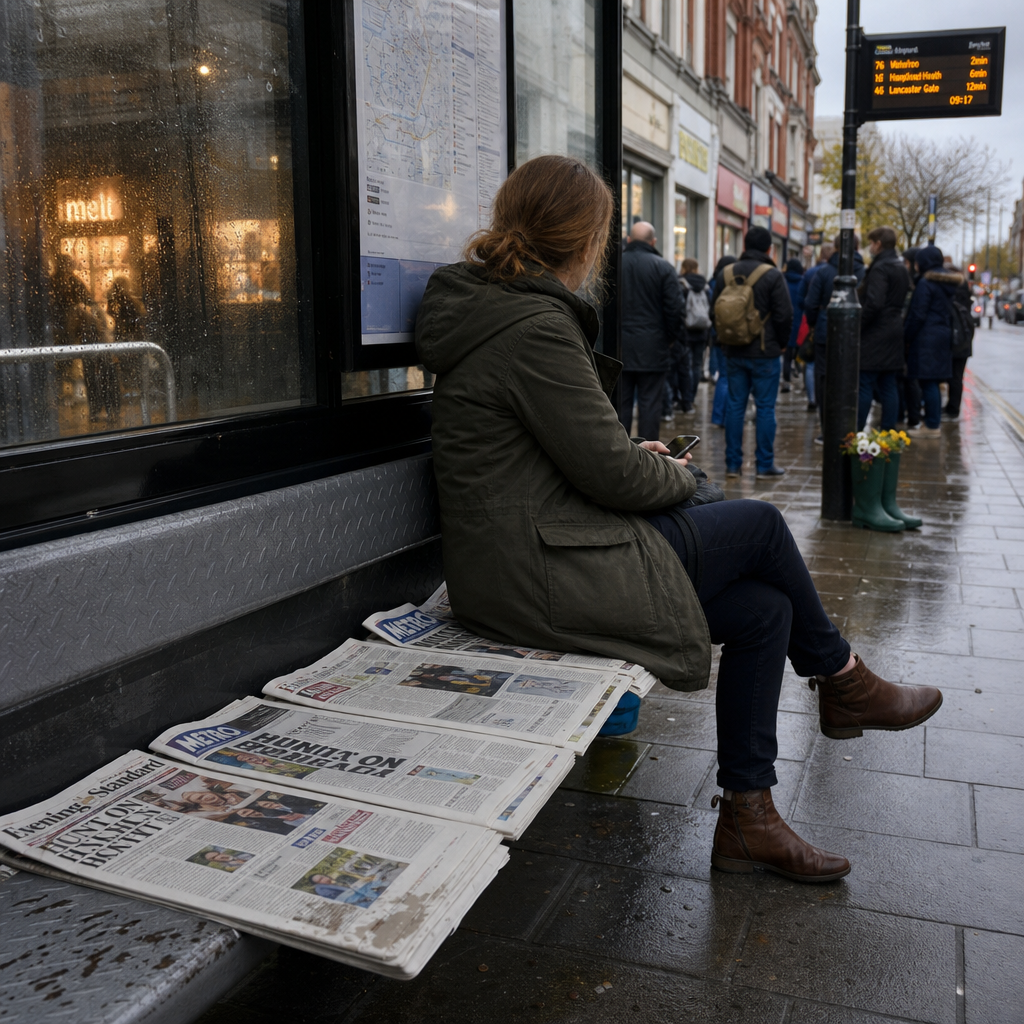
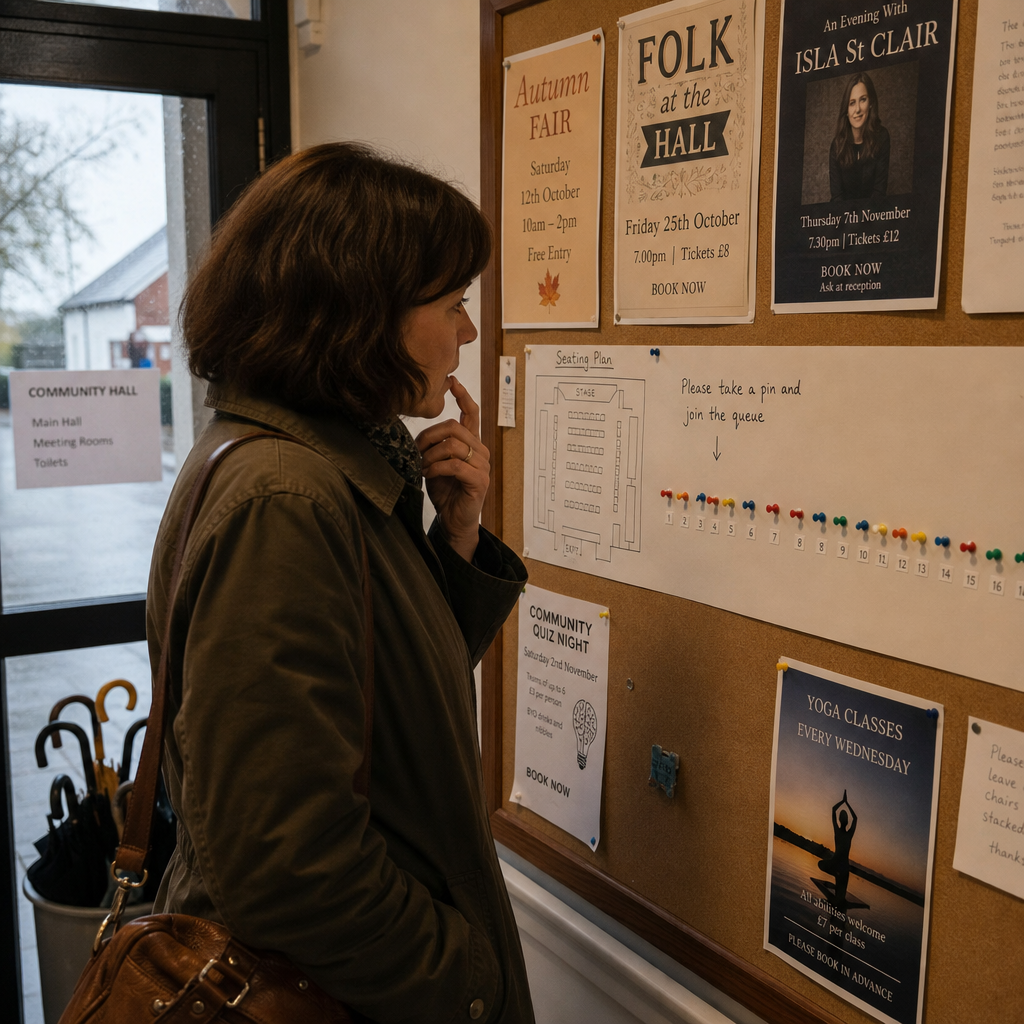
Mistaking charm for demand is a remarkably efficient way to waste a good story. A handwritten note in a café window or an improvised bus stop shelter looks publication-ready simply because it catches the eye. But memory is not search intent. Quill has to decide whether positive human stories earn their keep through warmth alone, or because they satisfy a recognisable reader need.
The threshold is strict. Editors should commission lightly odd features only when the oddity points to a pattern in observed behaviour or repeatable public interest. Whimsical filler dies quietly without it.
What is being decided
Soft stories with weak intent usually survive the pitch because everyone finds them agreeable. They stall later when a commissioning editor asks what the reader is actually looking for. The brief says each idea must be specific enough to drive SEO traffic and editorial value, avoiding hype, generic phrasing and random fluff.
When a rationale rests entirely on mood, the practical cost becomes entirely visible. Production grinds to a halt. Rewrites multiply, headings blur, and a pleasant piece begins to look undeniably thin. Humane, quirky features can widen reach. They just need rules strict enough to stop novelty masquerading as insight.
Comparative view
There are three practical options.
| Option | Strength | Constraint | Likely consequence |
|---|---|---|---|
| Charm-led commissioning | Fast to approve, emotionally appealing | Weak search fit, inconsistent discoverability | Short-lived spikes, more editorial rework |
| Search-led but rigid commissioning | Clear intent, easier optimisation | Can flatten voice and miss human texture | Useful but forgettable output |
| Intent-led oddity commissioning | Balances warmth, evidence and relevance | Needs stronger briefing discipline | Better long-tail value with distinctive editorial character |
The third path is the only sustainable choice. A charming piece might win a solitary click, whereas a feature built around search intent earns repeated discovery.
If a story revolves around a useful oddity, the brief must answer two questions. What looks ordinary at first, and what does it actually reveal about how people make systems usable? Second, what specific search query does it satisfy? Without those answers, publication becomes a vanity exercise. Not every delightful detail demands an audience.
Where search intent changes the call
Think of intent as a motive. Readers look for examples of public problem-solving, not just a brief distraction. A piece built around quirky public signals works when it resolves a tension. Current scout constraints require a useful interpretation rather than whimsical filler. Editors must look at the neat official version of a system and compare it with the slightly messier human workaround.
Humans are at their most interesting when they quietly improve a system without waiting for permission. That detail only warrants publication when the angle anchors to documented audience queries. The strongest clue is always repetition. One improvised notice is picturesque. Three suggest a behavioural pattern. Pattern creates intent, and intent creates a verifiable route into search.
Operational impacts
Adopting an intent-led model for creative writing makes the start of the process stricter so the drafting runs faster. The brief must state the evidenced pattern, the reader question, and the proof holding the piece together.
Memory and governance help prevent expensive rewrites here. A writer can still notice an improvised plant shelf outside a terrace shop, but the story must prove why that detail matters beyond itself.
Imagery follows the exact same rule. Project and persona guidance both insist on memorable human detail and grounded evidence. A placeholder image should carry accessible alt text such as "Neighbourhood noticeboard in a British high street café, with handwritten community notes and morning light on the window". This preserves the human clue and avoids the deadening effect of generic office theatre.
Recommendation and next step
Quill needs a ruthless filter. Commission warm, humane stories only when the oddity translates into explicit search intent and observable public behaviour. Each brief requires a working query angle, a note on the repeated pattern, and a practical consequence for the reader. If the only argument for publication is that the detail is lovely, it belongs as colour in a broader feature, not as a standalone headline.
The next step is a practical test. Build a small pilot around intent clusters like neighbourly workarounds or small civic inventions. Compare them against purely charm-led pieces using traffic measures you can actually observe. Positive human stories work best when they answer a useful question and carry one memorable human clue.
If a detail feels properly odd but hard to justify, contact Quill before charm runs off with the budget.