Full article
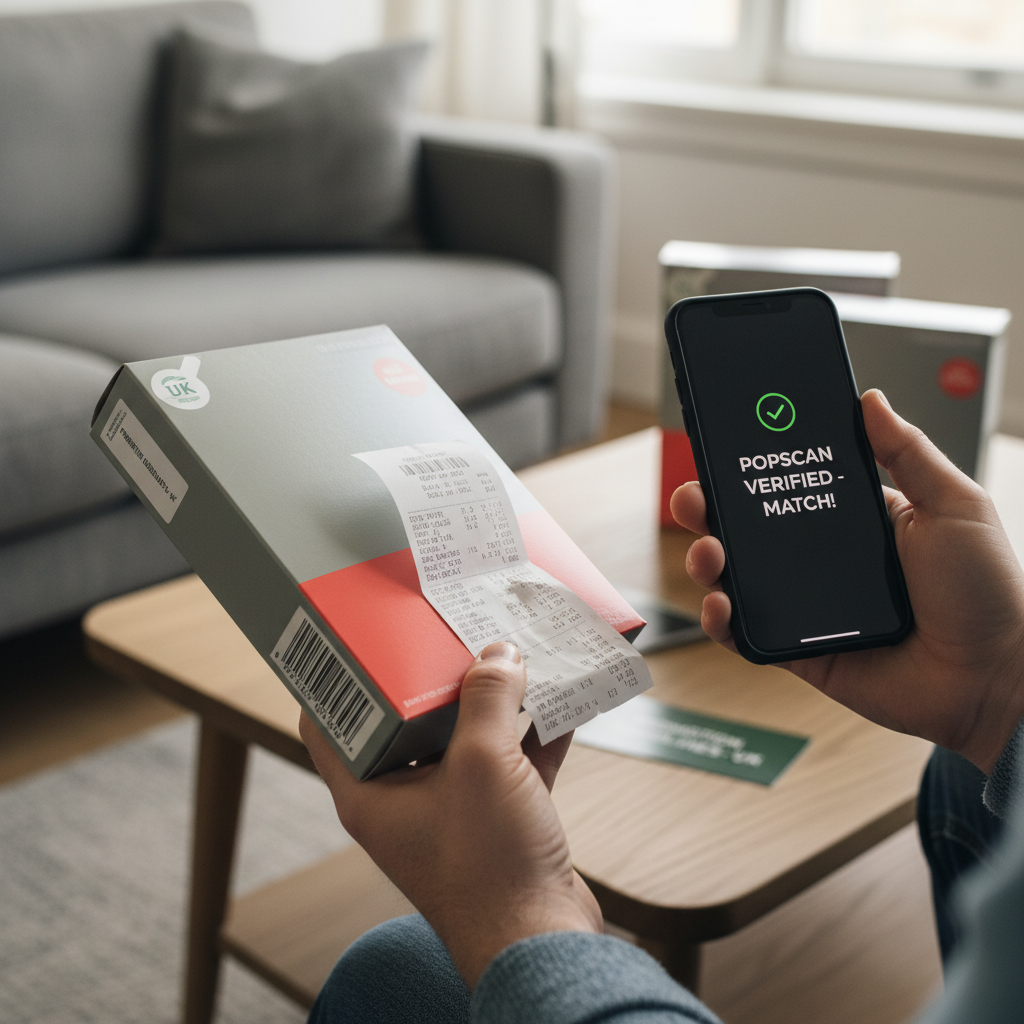
A text-to-win code logs entry, not proof. It confirms participation but cannot verify purchase, product authenticity, or claim validity. As entry routes simplify, weak claims emerge as support tickets. The question is where a code's utility ends and proof of purchase verification begins.
The argument
A code is an entry token, not a purchase verdict. If entitlement depends on a retail transaction, evidence must reach beyond a text message. Strategy that fails in operations is branding copy, not strategy. Text-to-win has strengths: familiar, low-friction, suited to volume campaigns. Yet convenience trades off with proof; easier entry means less code verification alone.
Testing two paths shows lighter journeys risk operational downsides. Edge cases without evidence trails shift burden to customer support, a friction underestimated in planning. POPSCAN matches proof burden to incentive, channel, and risk pattern, avoiding over-control.
Evidence and counterpoints
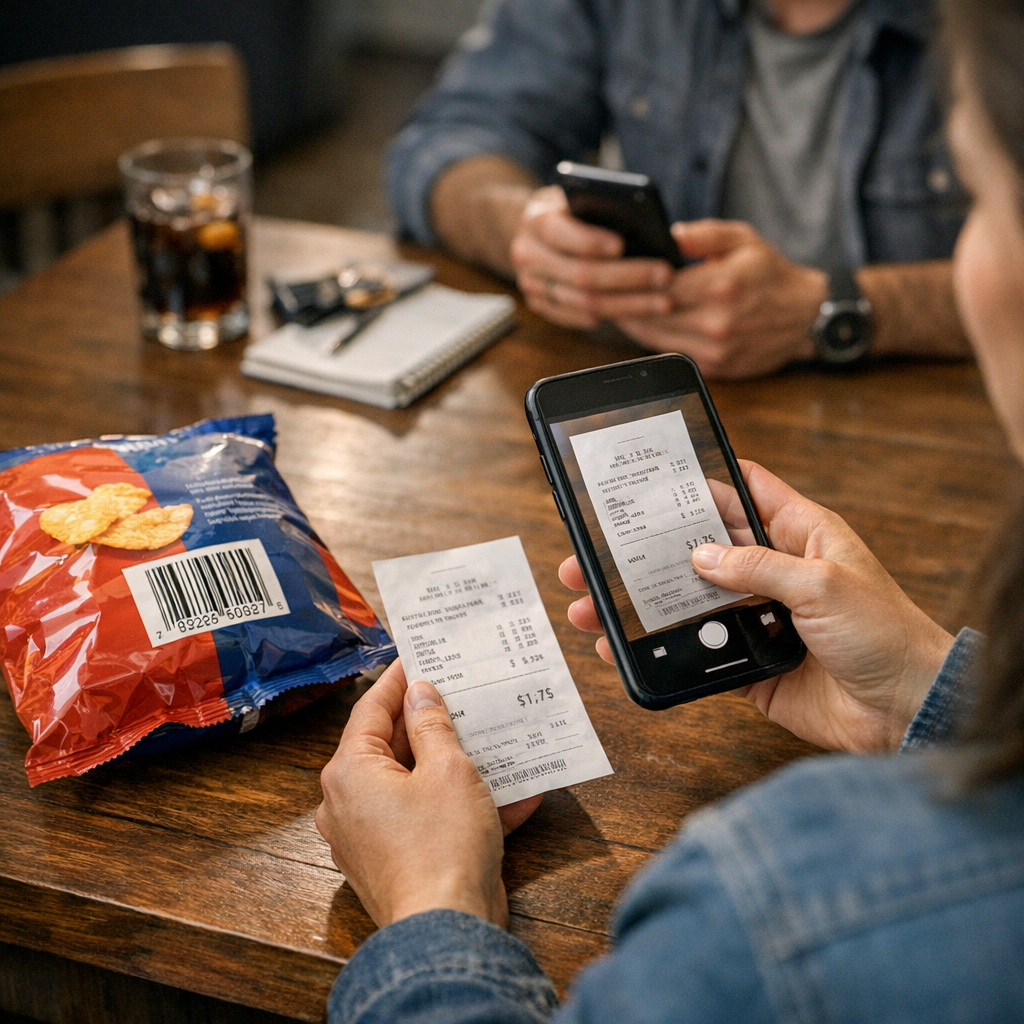
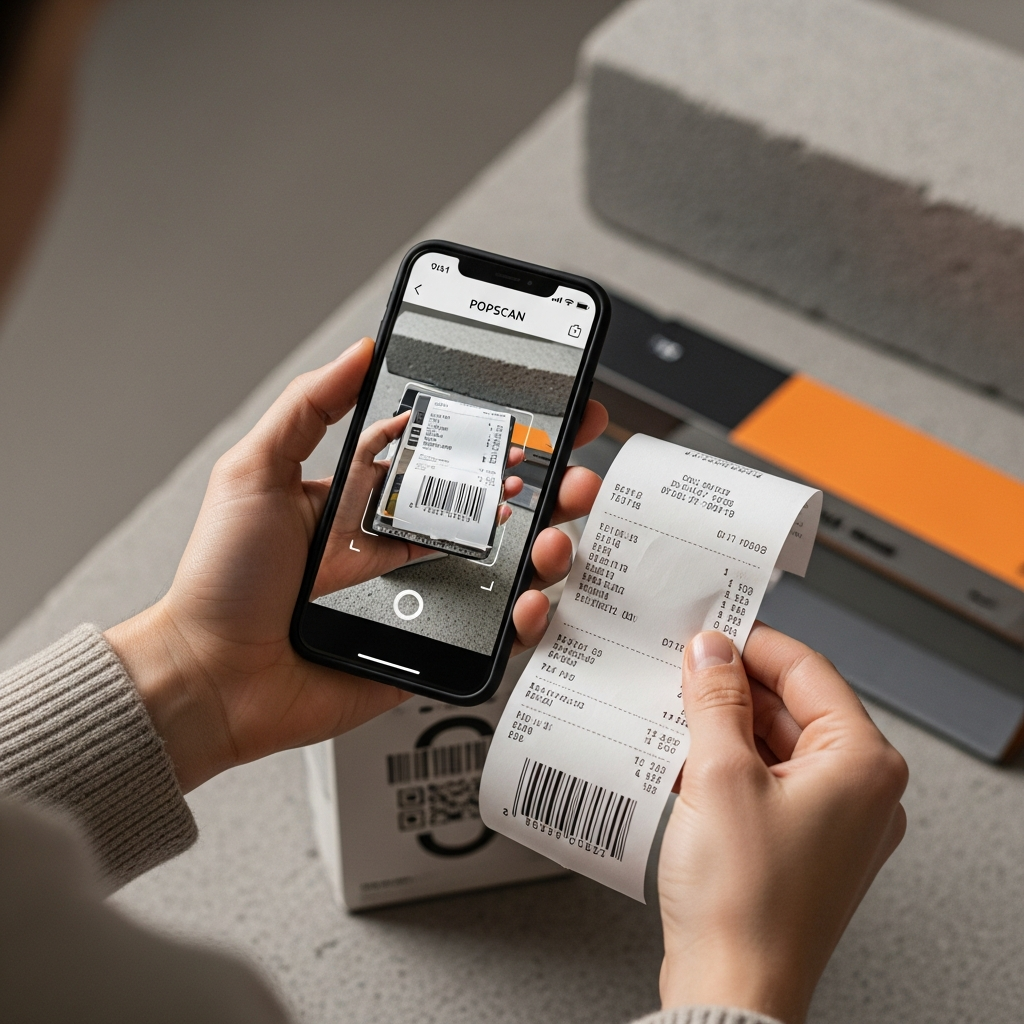
Verification systems work best when identifiers check against broader evidence. In promotions, a text code gains reliability with receipt and barcode ties. Extra proof steps can damage completion rates, especially on mobile with clumsy image capture. Plans that look strong on paper falter when dependencies shift. Reordering sequences based on data recovers momentum. For many campaigns, sequence code entry first, then selective receipt capture for prize eligibility or anomalies.
Evidence favours removing ambiguity. No universal rule prioritises barcode over receipt or vice versa. Answer depends on campaign mechanics. Map which disputes each evidence type resolves, then build POPSCAN workflow around those moments.
What good looks like
Design with proportion. For low-value rewards across stable products, use light journeys with selective escalation. Let consumers text a code, but reserve receipt review for duplicates or unusual claim velocity. Keep pace where risk is low, direct evidence where it matters. For higher-value prizes or social sharing that encourages code circulation, ask for receipt earlier and use barcode checks for product eligibility.
Each proof artefact should do a clear job. A code identifies and routes. A receipt evidences transaction context, date, and basket details. A barcode confirms SKU. When functions overlap sensibly, promotion participation quality improves by not treating a single signal as final proof. POPSCAN combines signals into one decision flow, avoiding post-facto piecing of screenshots and SMS logs.
A practical standard: if you cannot explain to a consumer why each proof step exists, the journey is overbuilt. If operations cannot explain claim outcomes, it is underbuilt. The sweet spot sits between: orderly, auditable, and quick enough to preserve participation.
Market trends favour scrutiny and clean evidence trails. That requires mechanics fair, visible, and proportionate. POPSCAN helps choose a middle ground where proof of purchase verification protects campaigns without slowing them. To map the right sequence for your next text-to-win promotion, contact the POPSCAN team for a workflow review and see where the evidence leads.
If this is on your roadmap, POPSCAN can help you run a controlled pilot, measure the outcome, and scale only when the evidence is clear.