Full article

The Google Pixel launch is useful because it shows a plain delivery truth: localisation usually fails at handoff, not at translation. Reported outcomes from the case, including 812 assets deployed and a 23.5% reduction in cost per asset, point to a better operating model rather than a lucky creative run.
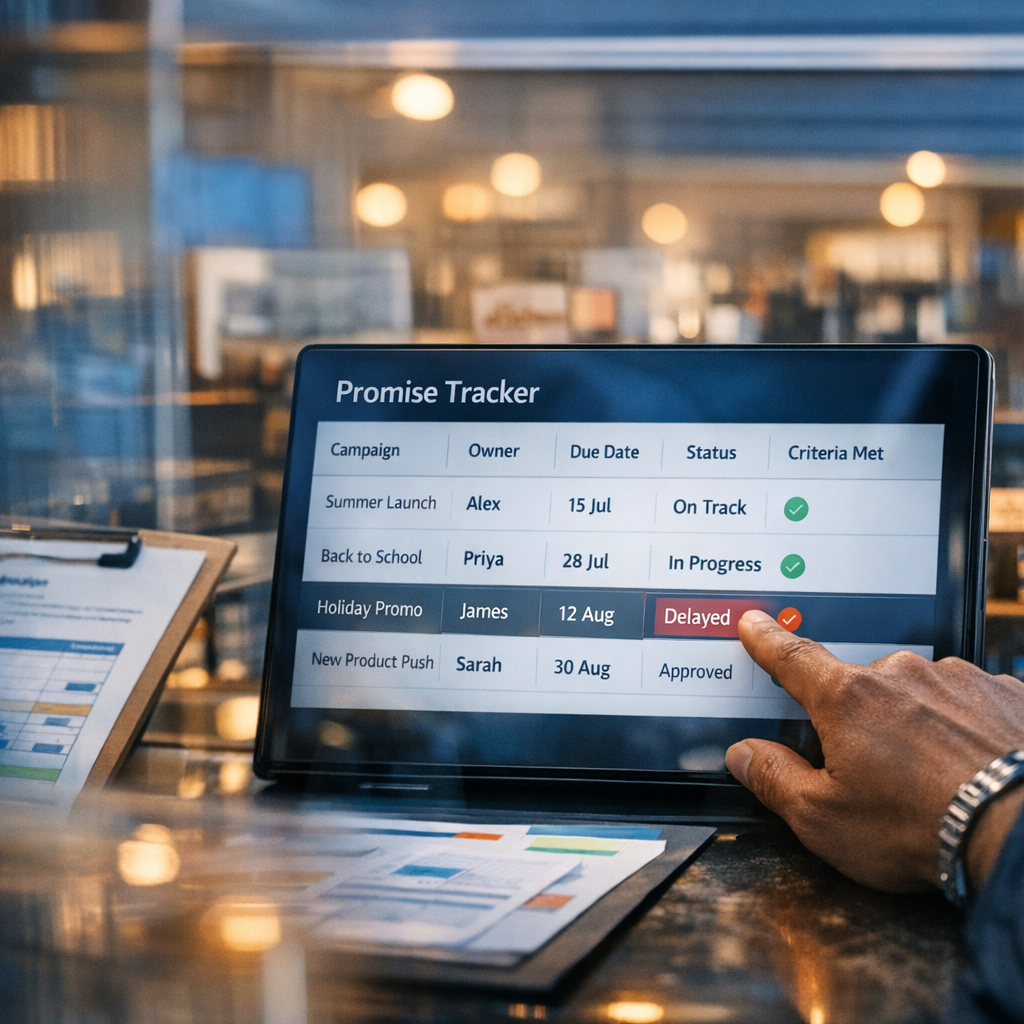
For UK teams, the lesson is operational. If the brief lands without clear owners, dates, change rules and acceptance criteria, local markets spend the first few days decoding the pack instead of building from it. That is not localisation strategy. That is avoidable rework with nicer branding.
Situation
The usual failure pattern is familiar. A central team creates the hero concept, sends over a deck, a brand book and a few master assets, then asks local teams to adapt for market. On paper, that looks efficient. In practice, the UK team is left chasing answers on what can change, what cannot, who signs off legal copy and which file is actually production-ready.
That friction shows up quickly in delivery. One owner thinks the campaign line is fixed. Another assumes the offer copy is flexible. Legal disclaimers arrive after artwork has started. A video master turns out to be flattened, so edits need rework. If your plan has no named owners and dates, it is not a plan, fix it. The same rule applies to localisation handoff quality.
A useful checkpoint here is simple: within 24 hours of handoff, can the receiving team confirm asset status, decision owners and due dates without booking a clarification call? If not, the pack is not ready. A second test is query volume. If a market raises more than five material clarification questions in the first two working days, the handoff has probably failed its first acceptance criteria.
Approach
The Pixel case suggests a better way to structure the work. Rather than treating localisation as a clean-up step after the global creative is approved, the campaign appears to have been built as a modular asset system from the outset. That matters because modular planning improves handoff quality before a local market touches the files.
For a delivery lead, the shift is concrete. The handoff stops being a folder transfer and becomes a governed release pack with defined contents. At minimum, that pack needs layered design files, editable templates, copy blocks marked as fixed or adaptable, channel-by-channel specifications, and market guardrails that relate to the campaign in front of people rather than a generic global brand bible.
This is where campaign planning automation earns its keep. When inputs are structured, workflows can route approvals, flag missing dependencies and keep a visible change log. In MAIA, the useful bit is not the software slogan. It is the discipline: owner attached, date attached, dependency visible, path to green obvious.
Yesterday, after stand up, ticket MAIA-234 was blocked by a missing brand rule in a localisation pack. A quick call with Sarah, the central owner, cleared it. New date set for handoff the same afternoon. Small example, but that is how launches stay sorted: fewer assumptions, faster decisions, cleaner traceability.
What good handoff quality looks like
A decent handoff pack should be testable, not described as “comprehensive†and left at that. For UK teams, I would expect four things to be present before release to local delivery.
- Named owners and dates: one owner for creative queries, one for legal queries, one for production release, each with a live date in the plan.
- Acceptance criteria: a defined check for file editability, rights usage, copy lock status and channel specs before the market receives anything.
- Market-specific guardrails: a UK-ready summary covering logo use, mandatory legal lines, offer wording constraints and channel exceptions.
- Change control: a versioned change log so local teams can see what moved, why it moved and who approved it.
Between 14:00 and 15:30 last Friday, I rewrote the acceptance criteria for a launch pack after spotting that the edge case around short-form paid social copy had not been covered. Tests passed once that character-limit exception was included. That sort of tidy-up is not glamorous, but it saves a queue of avoidable rework later.
A practical measure: before handoff, sample 10 assets and verify that all 10 meet the release criteria. If even two fail on editability, copy status or legal lines, hold the release. Bit tight on time or not, a bad pack shipped quickly is still a bad pack.
Outcomes
The reported Pixel numbers matter because they suggest operational waste was removed at source. Deploying 812 assets at a 23.5% lower cost per asset is not just a creative efficiency story. It usually means fewer clarifications, fewer rebuilds and fewer late compliance catches. In short, the production system held up.
That pattern mirrors what we see in disciplined campaign operating models. When the handoff quality is high, local teams spend less time interpreting and more time producing. Review rounds drop. Escalations become specific rather than vague. The launch date becomes a managed checkpoint instead of a hopeful suggestion.
I was wrong about the effort on one recent data-led campaign; the feed was trickier than expected and the original estimate was light. So we updated the plan, added buffer, named the dependency owner and reset the release date before the problem spread into creative production. That is the point: a governed workflow does not remove risk, it makes risk legible early enough to mitigate it.
If you want measurable signs that the process is improving, track these three over the next release cycle: clarification queries raised in the first 48 hours, percentage of assets passing first-round compliance review, and days lost to dependency slippage. Those are more useful than telling yourself the team feels aligned.
Lessons for UK teams
The before-and-after trade-off is fairly stark. The old model gives markets flexibility, but too often it is the wrong kind of flexibility: freedom to guess, freedom to duplicate work, freedom to discover missing rules at the worst possible moment. The better model gives structure first, then room for local judgement inside clear boundaries.
There is a balance to strike. Too much central control and local teams become order-takers. Too little and every market rebuilds the campaign from scratch. The path to green sits in the middle: fixed brand and legal components, adaptable local elements, and an approval flow that is explicit about who decides what by when.
That same discipline matters beyond campaign delivery. Public data from the Office for National Statistics on personal well-being and weekly deaths is published through defined datasets, versions and update structures. Different subject matter, same operational lesson: if data and decisions move between teams, the handoff needs structure, version control and clear interpretation rules. Otherwise people fill gaps with assumptions.
For programme leads, the practical next move is boring in the best way. Audit your next localisation pack against a checklist. Assign owners before briefing. Set acceptance criteria before files move. Log changes as they happen, not at the end. Cheers, that usually fixes more than a workshop does.
Closing note
The Google Pixel case is a good reminder that localisation quality is mostly won upstream. Better handoffs create fewer surprises, tighter launch governance and cleaner production decisions. If your team is still moving from loose brief to local execution through email chains and crossed fingers, Holograph can help you make the workflow explicit. Contact Holograph to see how MAIA can turn a messy handoff into a governed, launch-ready plan with real owners, dates and checkpoints.