Full article
Created by Marc Woodhead · Edited by Marc Woodhead · Reviewed by Marc Woodhead
What Havas Red’s Erin Sing hire suggests about the next phase of UK experientialExecutive summary: Agency appointments rarely change your plan on a Monday morning. This one might. Havas Red appointing Erin Sing as executive director in Melbourne (off the back of a clear push in that market) reads like a practical bet on integrated, experience-led comms that can travel, without turning into “same-same, different postcode”.
For UK teams tracking experiential marketing trends uk, the useful bit isn’t the org chart. It’s the direction of travel: PR, social, creators and live experience being built as one joined-up system, then measured in a way your finance partner can tolerate without needing a lie-down. If you’re still buying one-off spectacle and calling it a strategy in 2026, you’re wasting time, here’s the fix.
Context: why this appointment matters beyond Melbourne
When an agency strengthens leadership in a growth market, it usually means one of two things: the work has got more complex, or clients have got more demanding. In experiential and activation, it’s nearly always both.
Culture-led markets punish bolt-on tactics. If you can build experience-led comms in a place where audiences spot the seams quickly, you tend to end up with approaches that export well, because they’re built on repeatable mechanics rather than heroics.
The operational implication is the bit worth clocking: agencies (and the better brand teams) are reorganising around programmes, not just campaigns. Less “big moment”, more system you can run, learn from, and run again, without it becoming a bit of a faff every single time.
What is changing: from moments to measurable experience systems
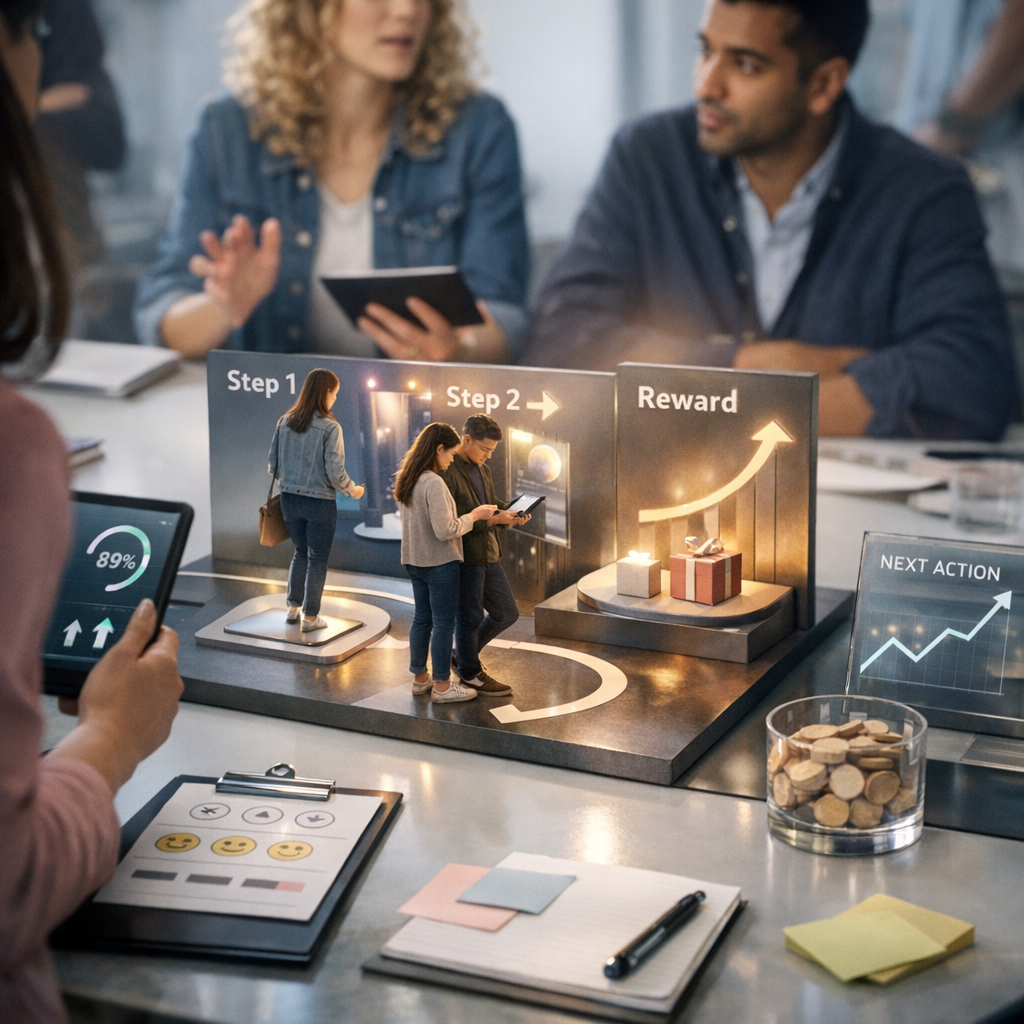
The shift underneath moves like this is simple: experience is no longer treated as a one-off. It’s designed as a system with inputs (audience insight, permissions, creative rules), outputs (footfall, dwell time, sign-ups, content) and feedback loops (what we learned, what changes next).
Three patterns keep showing up across experiential marketing trends uk:
- Experience-led PR where the live moment is built to generate earned stories, not just photos. The story has a point of view, and the set design, talent, and data capture support it.
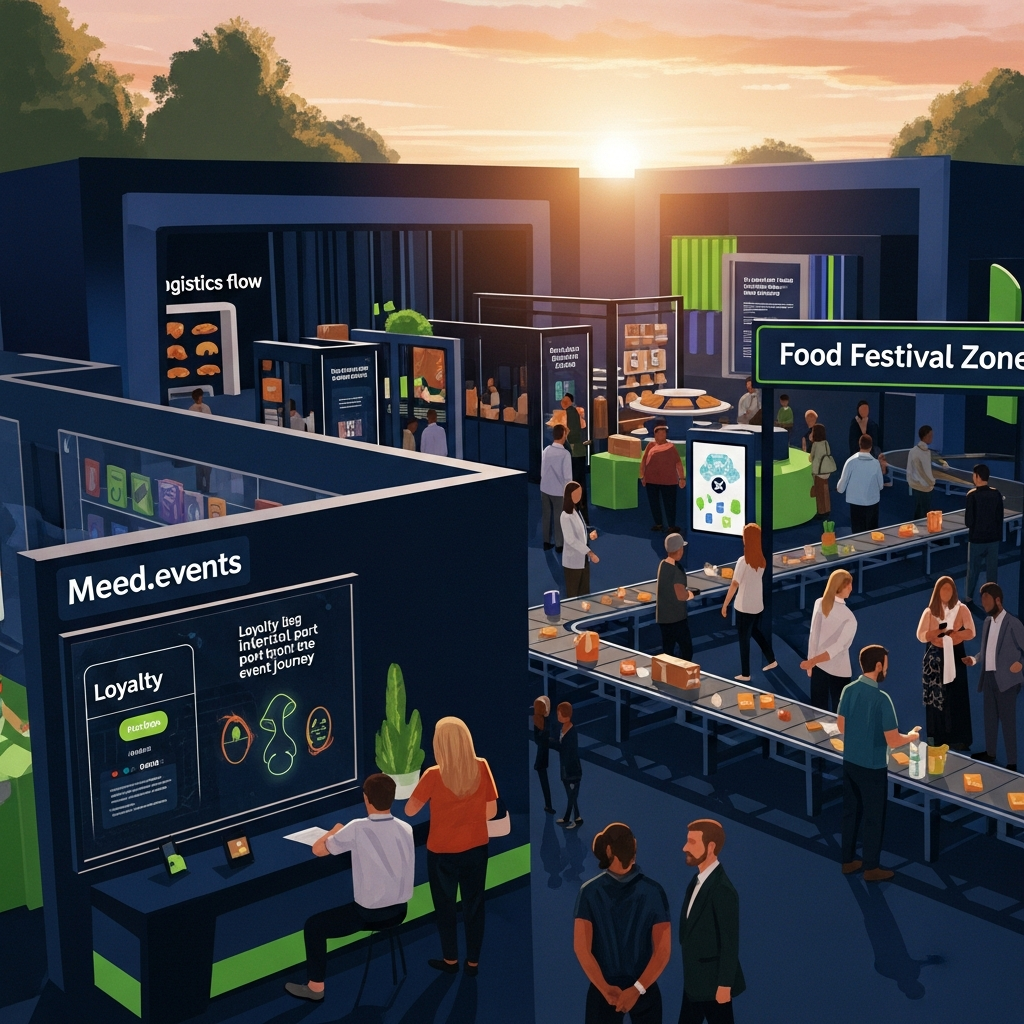
- Loyalty innovation moving beyond points into access, status and utility, perks that feel earned, not bought, with a value exchange that makes sense to a human.
- Immersive retail experiences that behave like product, not theatre: helping people decide, try, share and return, with measurement attached to each step.
If your 2026 plan is still “a pop-up plus a hashtag”, the fix is boring (the best kind): define the journey, define the data you’re allowed to collect, then define the next action that turns attention into an actual relationship.
Implications for brand teams: the new bar for activation strategy
The operational knock-on is that your activation approach has to survive contact with legal, IT, retail ops and the CFO. A modern activation strategy is less about one big idea and more about how that idea behaves across channels and markets.
1) Measurement moves from “nice-to-have” to “dealbreaker”. The UK’s privacy expectations aren’t loosening. The practical question is: can you measure what matters without getting creepy? The better programmes default to privacy-preserving design, aggregated reporting, clear opt-ins, and a value exchange people would willingly explain to a mate.
2) The creative has to be modular. If capability is being built in a growth market, it’s often because clients want rollouts. That means a “core kit” (story, look, mechanics) plus a “local layer” (partners, talent, cultural hooks). Too many programmes do the reverse and end up with twelve local ideas and no spine.
3) Retail and digital teams can’t be spectators. Immersive retail is where ambition goes to die if store ops are brought in late. Prototype in one location, instrument it, then iterate. Last Thursday, in a small shopfit review room in Shoreditch, I watched a team argue about lighting angles for fifteen minutes. The air smelled faintly of MDF and coffee. That’s when I realised the difference between “instagrammable” and “shoppable” is often one unglamorous decision about flow, signage and queue management.
4) Earned media needs production values. PR-led experiential isn’t inviting press and hoping. It’s capture plans, creator contracts, release forms and a distribution strategy that respects platform formats. Not glamour, craft.
Actions to consider: a pragmatic playbook you can run next quarter
- Define the “experience system” on one page. Audience, promise, mechanism, capture, next step, success metrics. If it won’t fit on one page, it won’t survive a shop floor.
- Pick three metrics that map to commercial outcomes. Examples: qualified sign-ups, repeat visits within 30 days, incremental basket uplift in test locations. If it can’t be funded, it won’t be scaled.
- Design loyalty as value, not admin. Make joining painless and the first reward immediate. If the audience has to work to understand the value exchange, they won’t.
- Prototype immersive retail like a product sprint. Two weeks, one location, lightweight build. Measure with footfall and dwell, and use QR only with clear consent. Gather staff feedback. Iterate.
- Put compliance in the room early. CAP and GDPR constraints aren’t a post-production polish; they’re design rails. Early alignment avoids late-stage rewrites that blunt the idea.
What to build next: a case-study pattern that travels
To keep stakeholders aligned, structure the activation like a case study before you build it: business problem, audience tension, experience mechanic, measurement plan, and what you’ll change next time. If you can’t explain the measurement plan, you don’t have one yet.
- Promise: what the audience gets that they cannot get elsewhere.
- Proof: what they do, touch, taste, try, or unlock.
- Participation: how they join in without friction.
- Persistence: what happens after the moment.
- Performance wrap: what you’ll report, when, and what you’ll change next.
Appointments like Erin Sing’s aren’t really about one person’s diary. They’re a signal: clients want experiences that hold together across channels, stand up to compliance scrutiny, and still feel joyful in the wild. If you want to turn that into a programme you can actually build, ship and measure, book a chemistry session with the Holograph studio team. Bring your brief, your constraints, and your scepticism, cheers. I’ll bring the sharp questions, a workable plan, and we’ll leave one thing deliberately open: what your audience will do that surprises you, and how we’ll design the system to learn from it.