Full article
Created by Marc Woodhead · Edited by Marc Woodhead · Reviewed by Marc Woodhead
Key Takeaways
- Effective experiential marketing in the UK now demands sustained value and first-party data capture, leaving fleeting social media buzz behind.
- The 'phygital' blend of physical and digital touchpoints is no longer a novelty but a necessity for creating frictionless audience journeys.
- Smart loyalty integration is the key to turning one-off events into ongoing engagement and measurable uplift in audience behaviour.
- If you're still leading with 'social reach' in 2026, you're wasting money. Define conversion KPIs and measure real-world outcomes to prove ROI.
Last Tuesday, in a coffee shop in Manchester with exposed brick and opinions louder than the beans, I tried a QR code promising exclusive access. The result? A 404 error, and the allure of my flat white vanished. That gap – the chasm between a whimsical creative idea and disciplined, reliable delivery – is where most brand activations stumble. The promise of an experience crumbles into a moment of digital faff.
A few years back, the plan was simple: pull a crowd, light up Instagram, job done. Now, stakeholders want more than pub anecdotes – they want evidence. If your activation doesn’t build your first-party database, drive sales, or nudge lasting loyalty, it’s just another circus, not a compelling show of brand craft.
The Pivot: From Fleeting Fun to Measurable Value
The most significant of the current experiential marketing trends UK brands are grappling with is this pivot from ephemeral moments to enduring value. A one-day pop-up that generates a thousand hashtags might look good on Monday's report, but if Tuesday brings no uplift – no registrations, no sales, no long-tail engagement – what was gained? The new mandate is to build bonfires: experiences that provide sustained warmth and light, fuelling connection long after opening night. This is a strategic reset where the activation triggers a journey, not just a memory.
Phygital Craft: From Hype to Habitual Practice
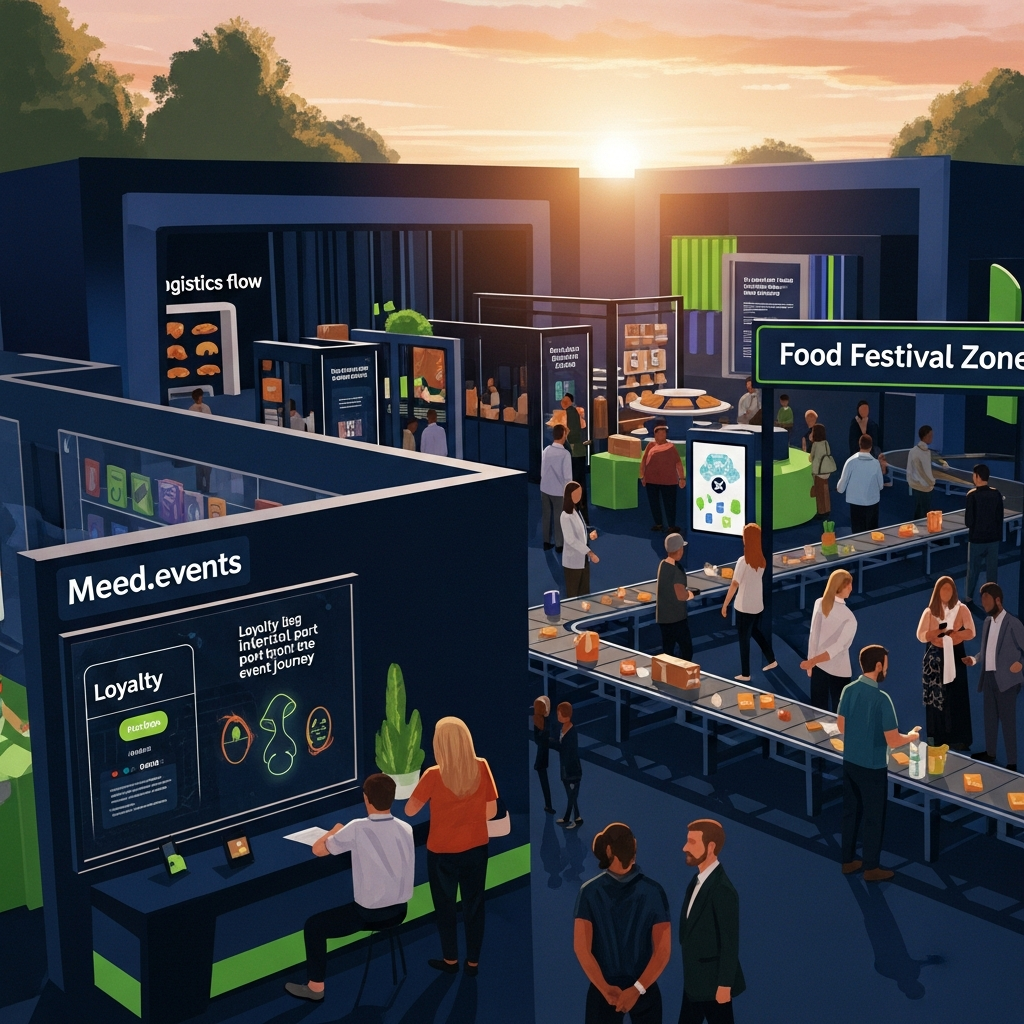
'Phygital' used to sound like something dreamed up by a consultancy, but the hybrid expectation is now set. Today’s best activations mesh tactile and digital touchpoints – an in-store installation using augmented reality to tell a product's story, capturing an email to send a personalised follow-up. But here’s the trick: the technology is just plumbing. The real craft is building moments where the audience doesn’t notice the pipes. An NFC tap to join a loyalty scheme is elegant; a clunky app download is friction. The goal is to make the journey between worlds feel effortless and rewarding.
If You're Still Measuring 'Impressions', You're Wasting Money
Let’s be blunt: if your performance wrap for an experiential campaign in 2026 leads with 'estimated social media reach', you are fundamentally missing the point. That’s a vanity metric from a bygone era. A proper brand activation strategy must be built on a foundation of measurable, commercially relevant KPIs. It just requires discipline from the outset.
- Define Your Primary Conversion KPI: Before a single mood board is created, decide what success looks like. Is it verified loyalty programme sign-ups? First-party data consent? Name one primary metric that matters.
- Integrate a Seamless Capture Mechanism: Build data capture into the experience itself. Use a QR code, an NFC tap, or a tablet registration with a clear value exchange. Make it smooth.
- Attribute Post-Activation Behaviour: Using the captured data, track what that audience does next. Did they make a purchase within 14 days? Did they use the digital voucher? Connect the event to the transaction.
- Calculate a True Cost Per Acquisition (CPA): Divide the total activation cost by the number of primary conversions. Now you have a real, defensible CPA to compare against other channels.
- Measure Uplift Against a Control Group: For proper rigour, compare the behaviour of attendees against a control group of similar customers who did not attend. This isolates the true impact of the experience.
Loyalty Innovation: The Real Power-Up
If you see your activation as a one-night stand for attention, you’ll win fleeting affection and little else. But infuse it with loyalty mechanics, and suddenly you’re shifting behaviour. The activation shouldn't just be 'sponsored by' your loyalty programme; it should be a primary gateway to it. Offer exclusive perks on the day for members, make signing up instant and rewarding, and demonstrate the value of belonging right there and then. It’s the highest-leverage moment you have to grow your loyal audience.
Analytics that Move Beyond Guesswork
The gap between what can be tracked and what gets measured in experiential marketing is still, bizarrely, wide. Brands leading the charge now demand proper data flows: opt-in forms that sync to the CRM, event surveys that tie back to spend, and audience segmentation that’s privacy-safe and genuinely actionable. This discipline cuts through campaign fatigue and signals to stakeholders that their investment isn’t just another dashboard decoration.
The Human Detail: Connection, Joy, and Well-being
Amid all this talk of data and ROI, let’s not forget the human at the centre of it all. The Office for National Statistics' latest data shows that while UK life satisfaction is recovering, anxiety remains a significant factor in public well-being. This isn't an abstract headline; it's a crucial piece of audience insight. Brands that create experiences offering genuine respite, connection, or simple joy will resonate more deeply. An activation that helps people feel seen and valued is no longer a 'soft' benefit; it's the source code for modern brand affinity.
FAQ
What's the biggest mistake brands make with experiential marketing?
The most common mistake is orphaning the activation from the rest of the brand’s ecosystem. A brilliant one-off experience that isn't connected to a wider CRM or loyalty strategy is a wasted investment with no compounding impact.
How should a brand set KPIs for an activation?
Pick what will actually move the business, not what photographs well. KPIs like verified first-party data collected, loyalty programme sign-ups, or attributable sales beat vanity metrics every time. Define these before creative work begins.
Is AR/VR essential for a modern brand activation?
No, it's a tool, not a strategy. Tool selection follows strategy. Many of the most effective activations use low-friction digital elements like a well-placed QR code over complex tech. Focus on a seamless experience, not the bells and whistles.
How do you connect a one-off event to ongoing loyalty?
The live event is your prime opportunity for real-time onboarding. Use NFC or QR codes for instant sign-up, offer event-limited benefits for new members, and demonstrate member value on the spot. Make joining feel like an upgrade, not a faff.
Are big budgets always needed for impactful experiential marketing?
Not at all. A well-designed £50,000 activation that generates 5,000 high-quality loyalty members at a CPA of £10 is far more valuable than a £250,000 spectacle that yields no actionable data. Success is measured by audience action, not scale.
Time for a Proper Chat?
The path forward for brand activations in the UK is deliberate, data-driven, and engineered for enduring connection – not just for next week’s slides. Building these multi-layered experiences, where creative, technology, and commercial strategy work as one, is certainly a bit of a faff if you're stitching together different partners. It demands a unified team. If you’re ready to build activations that deliver more than just a good story for the boardroom, why not join us for a cuppa at the studio? Book a chemistry session with the Holograph team, and we’ll design something your audience won’t just post about – they’ll come back for. Cheers.