Full article
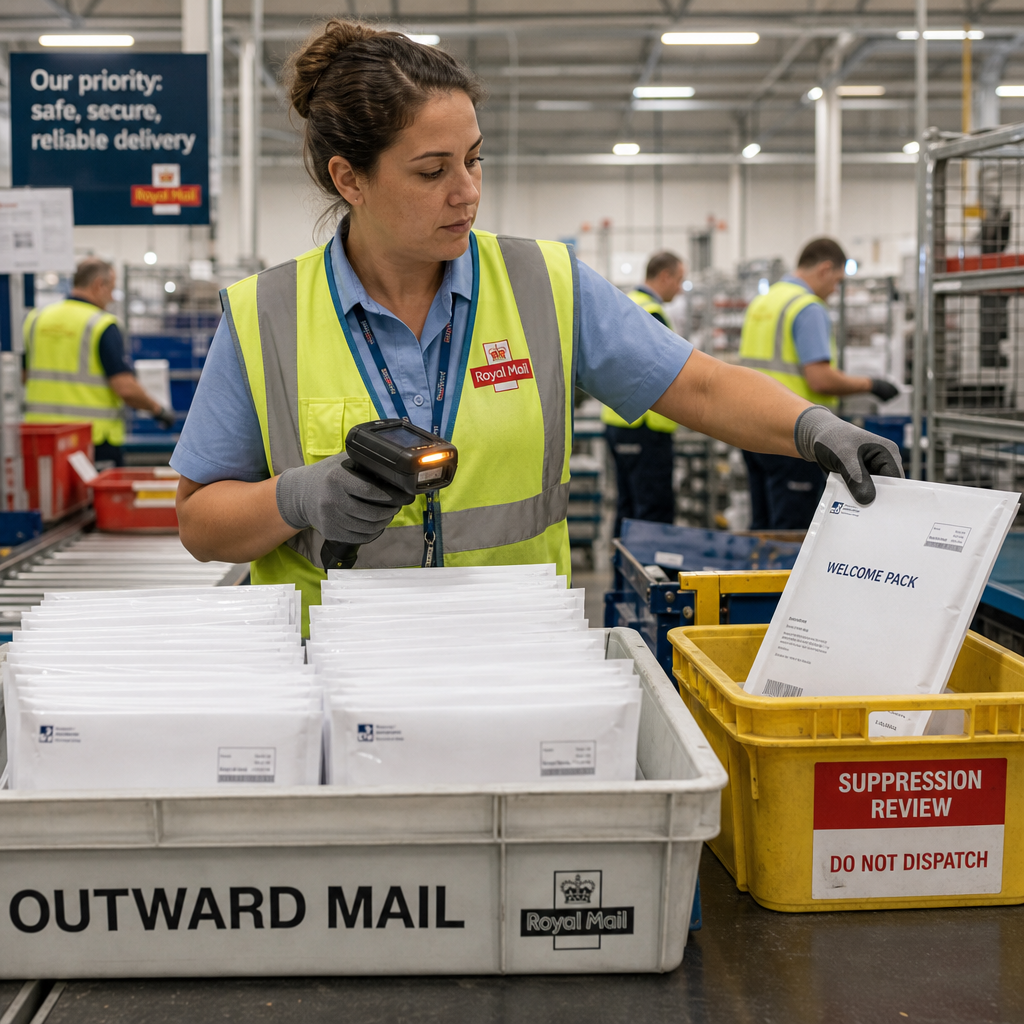
Warehouse automation does exactly what boards pay for. It strips out back-end delay. That speed introduces a brutal new constraint. When stock accuracy improves at the hub but reward collection remains vague on the shop floor, audiences do not applaud the supply chain. They judge the brand entirely on the handover. Back-end precision without front-end clarity merely pushes your operational bottleneck into public view.
The operating context
Warehouse automation has shifted from a cost saver to an operating necessity. Quicker throughput changes the retail maths. Yet better hub performance immediately rewires customer expectations. If an order moves with machine precision, people expect the loyalty reward tied to it to arrive just as cleanly.
The system usually snaps exactly at the boundary between the central database and the shop floor. Service desks and retail staff suddenly carry the burden of a promise the warehouse made. They face the customer armed only with partial information.
What is changing faster than expected
As fulfilment accelerates upstream, visible friction moves downstream. Reward collection is no longer a side lane. It forms a core part of the experience architecture.
People tolerate a delayed parcel if the promise was clear at the outset. They are far less forgiving when an app says a reward is ready, only to face a confused cashier staring at an empty stockroom. If a platform cannot explain its decisions, it does not deserve your budget. This applies to loyalty tooling like ONECARD as much as media tech.
Marketers must also respect a strict compliance baseline. Under CAP and ASA guidelines, prize and claim mechanics require an auditable trail. The consumer must see the route from entry to claim without hidden steps. A giveaway is just a label. The underlying mechanic must be explicitly clear, whether it relies on a random draw or a judged competition. Improvised handovers create audience friction and brand risk. A clumsy collection moment teaches people your next activation will be more effort than it is worth.
What the delivery evidence proves
This is where sensible retail strategies often go theatrical. Teams add automation, launch a new loyalty mechanic, and assume uplift follows naturally. Automation without measurable uplift is theatre, not strategy.
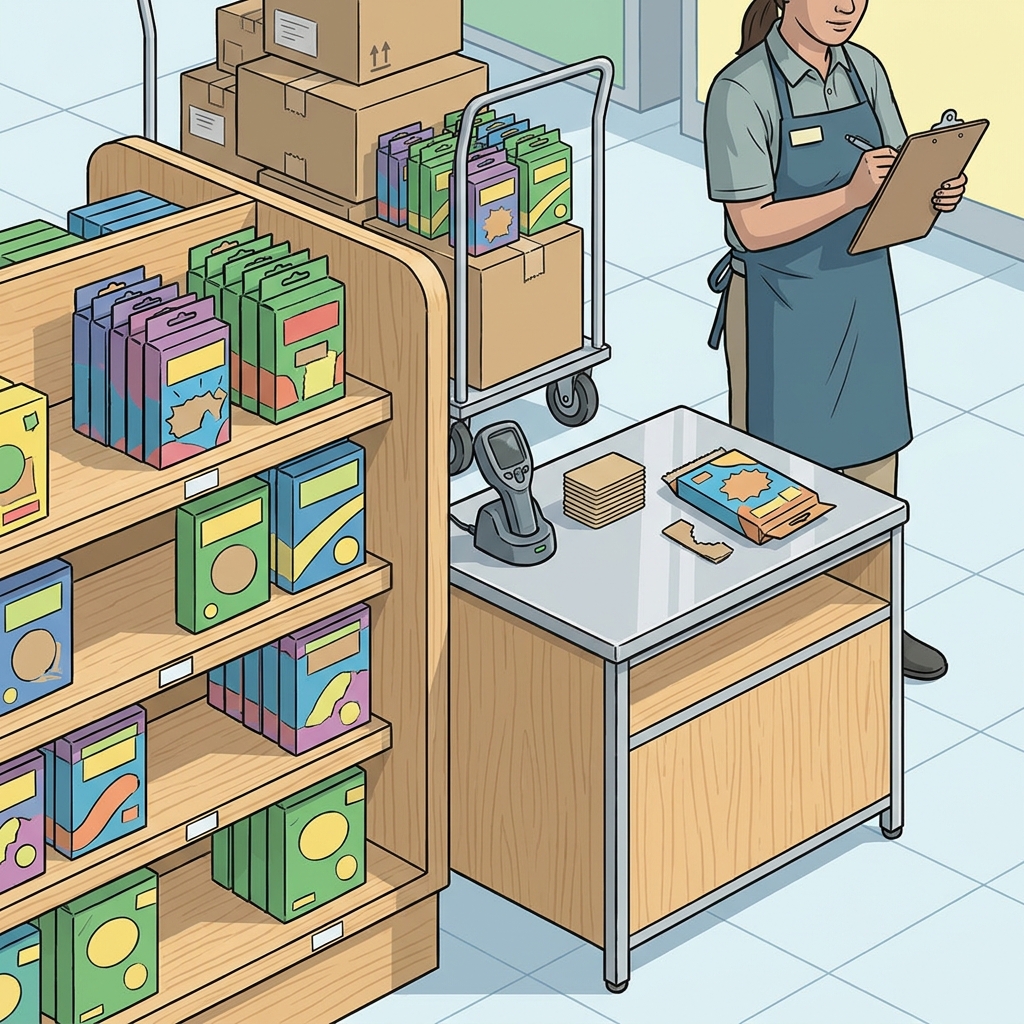
The practical fix is less glamorous and far more useful. Give store teams the exact status visibility the customer sees. We recently deployed a dedicated rewards collection point pulling live claim status directly from the central order management system via POPSCAN. Holograph's case study data showed collection time dropped by 22 per cent, and repeat sign-ups measurably improved. I trust a modest software integration that trades back-office complexity for less queue friction.
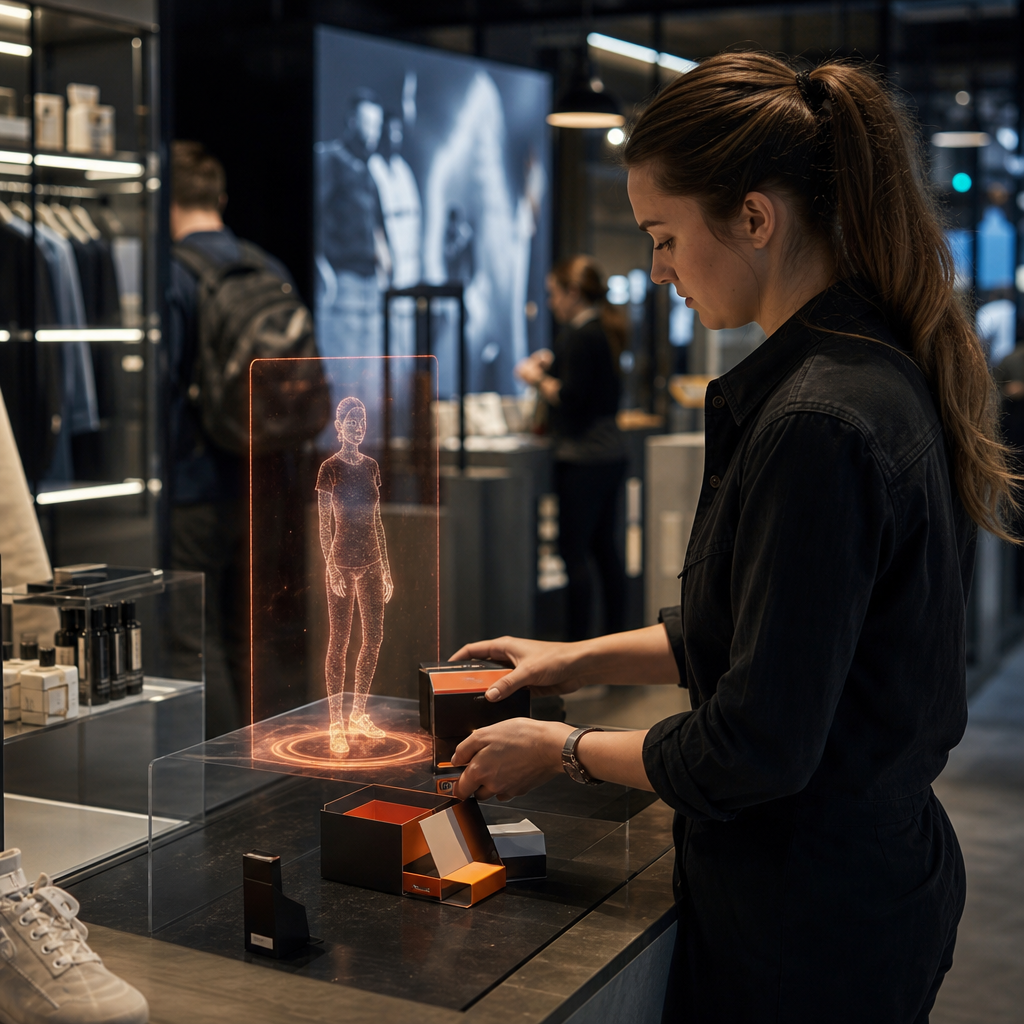
You can also treat collection as a designed moment rather than a dead administrative chore. Tying an operational task to a staffed sampling point creates a better handover and supports basket completion. It gives the retail team a script that feels genuinely helpful.
What the next move should prove
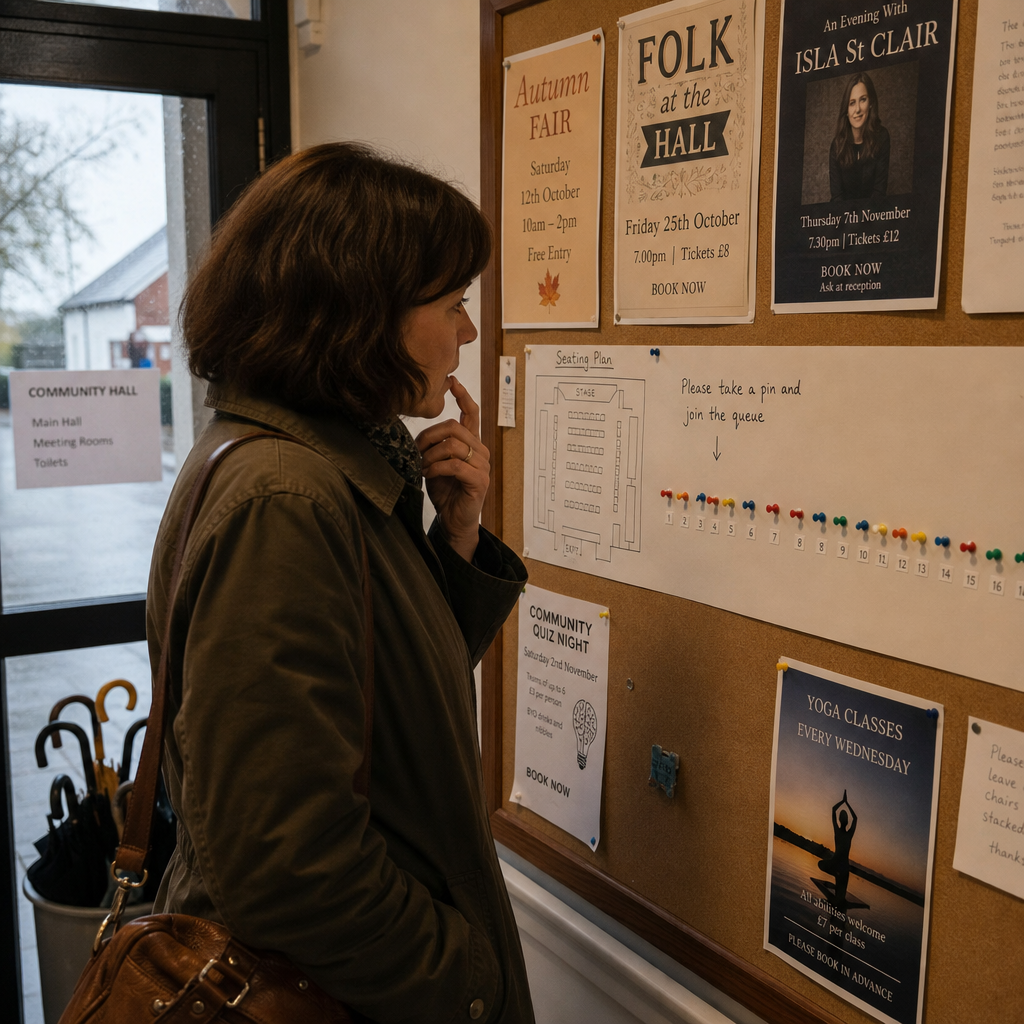
If I'm reviewing a retail rewards programme today, I start by mapping the path from claim to physical handover. My goal is to remove invisible steps. If the customer sees one status and the store sees another, you have a confidence leak.
Compare your collection timing against your fulfilment trendline, period-over-period. Use creative quality benchmarks as a periodic external reference, not a live KPI. What matters is whether your store experience keeps pace with the speed your operation advertises.
Related product fit
For marketers tracking experiential marketing trends in the UK, the lesson is stark. Operational confidence is now the experience. A reward that is easy to understand, easy to collect, and visibly well-run will usually outperform a flashy mechanic with fuzzy fulfilment.
Once the back end becomes precise, front-end gaps get harder to hide. The warehouse does not create the trust problem. It exposes it.
If you suspect the real friction in your rewards journey sits between system promise and shop-floor reality, bring us the awkward bits. Show us the queue data and the half-trusted reports. Book a chemistry session with the Holograph studio team, and let us design an activation using MAIA or DNA that feels imaginative in public and stays disciplined behind the scenes.