Full article

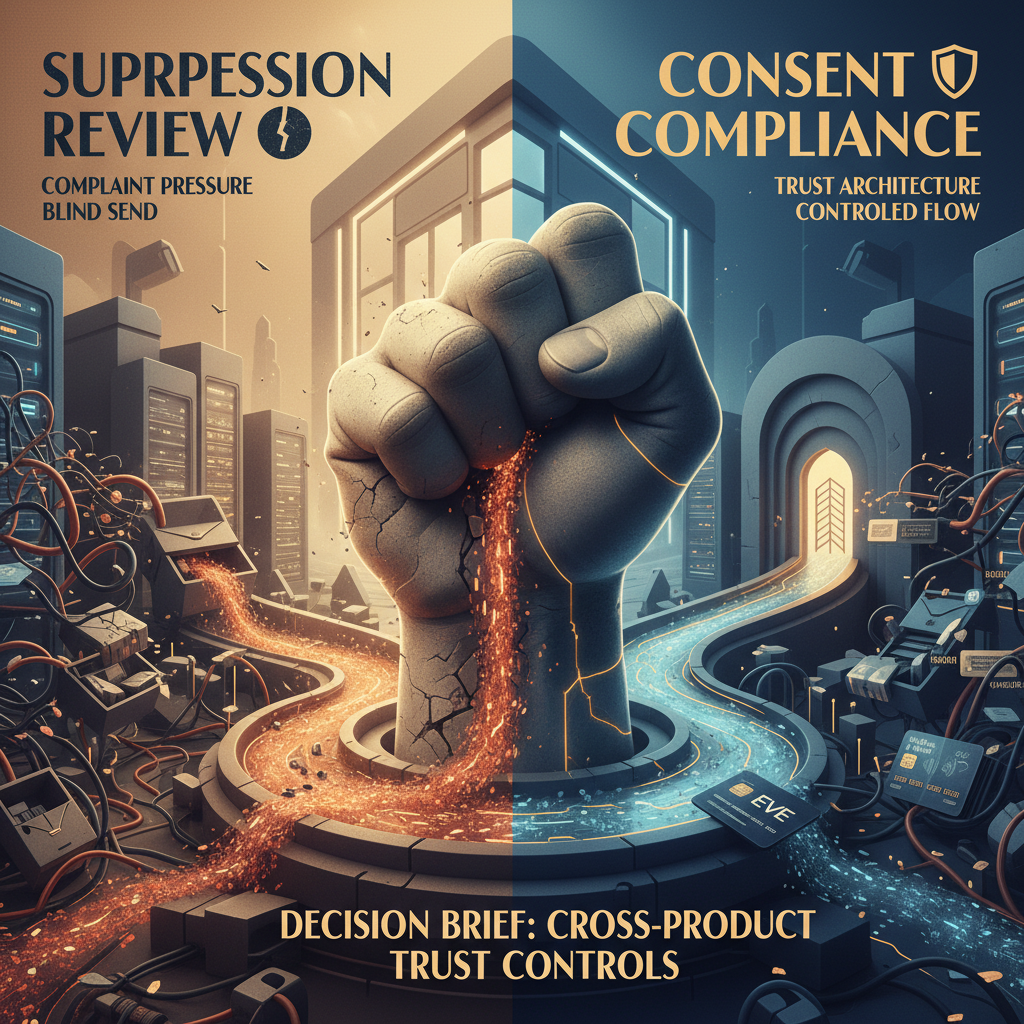
Trust in UK promotion sign-up flows breaks not from old forms, but from weak operational disciplines around email risk and consent. EVE makes sign-up decisions in real time, exposing this gap early.
Teams often treat acquisition, deliverability, and compliance as separate streams. Integrating these signals is key, and EVE's governed validation provides the auditable view to do so.
Context
Promotion flows attract high-intent entrants alongside typo traffic, disposable inboxes, and scripted submissions. Acquisition dashboards can show healthy numbers while CRM teams face bounces and weak engagement, eroding trust before any form change.
Mailbox providers grade sender behaviour, not intent. Unchecked low-quality sign-ups can trigger deliverability issues. Validating earlier, keeping forms simple, and clarifying consent protect performance.
Not all low-quality sign-ups are malicious; some stem from errors. EVE scores authenticity risk fast using checks like pattern analysis and alias unmasking, offering operational options without hard blocks.
What is changing
Acquisition bursts are less predictable from mixed sources like social reposts. CRM leaders face more scrutiny on list growth quality, not just volume.
For UK teams, clean forms are insufficient without flow quality. EVE validates in sub-50ms, enabling submit-stage checks without heavy confirmation loops, preventing downstream damage.
Tighter checks do not always hurt conversion; placement and actions matter. Soft warnings or selective suppression differ from blocking all risky addresses.
Compliance pressure persists. Vague consent journeys can break trust before deliverability risks are measured, often misdiagnosed as data-quality issues.
Where trust breaks before the form changes
First, signal mismatch: address structure or patterns suggest risk, like disposable domains or keyboard-walk strings. EVE uses over 30 detection methods to identify this without storing data.
Second, consent ambiguity: unclear opt-ins lead to throwaway addresses and weak engagement. Forms should be simple with clear opt-outs.
Third, sequence: validating after submission allows damage to reach welcome programmes. Better to validate at submit, log consent, and route based on risk.
The tension is real: tightening too fast risks false positives; waiting risks list degradation.
Implications
Short-term, weak controls push costs into CRM operations, manual cleansing, slower approvals, muddier attribution. Reputation risks rise from bounces and complaints.
Medium-term, noisy data undermines trust in growth numbers, invites finance scrutiny, and pulls compliance into avoidable reviews. EVE provides auditable records of validation decisions.
In traffic surges, protect the welcome path within 24 to 48 hours by reviewing domain patterns and thresholds, preserving usability while avoiding sender damage.
Actions to consider
Start with three checkpoints: validate at submit with risk scoring, separate promotion entry from consent clearly, and review first-send cohorts against risk patterns.
For volatile volumes, set temporary thresholds and review them daily during promotions. EVE supports this with low latency and operational control.
Keep forms disciplined: ask for essentials, explain next steps, and make opt-out visible. Tailor options to promotion type.
When trust breaks, tighten signal reading, clarify consent, and route risk early. Book a frictionless validation walkthrough to map checkpoints and trade-offs.