Full article
Created by Marc Woodhead · Edited by Marc Woodhead · Reviewed by Marc Woodhead
Key Takeaways
- Experiential marketing trends UK have evolved into long-term, data-driven strategies woven into wider loyalty and engagement programmes.
- Personalisation in physical activations – powered by first-party data – is an expectation, not an extra. Irrelevance is a cardinal sin; make every interaction count.
- Immersive retail now means solving practical problems and improving customer journeys – not chasing fads with VR goggles for their own sake.
- Purpose-led activations drive deeper audience connection, blending authentic values with genuine utility and measurable uplift.
- Successful brands anchor physical engagement to digital outcomes, with integrated measurement and disciplined delivery.
Brand Activations: From Fleeting Pop-ups to Persistent Presence
Let’s address the elephant in the room: pop-up shops were fun while they lasted. A quick hit, a rush on social media, and then all that effort vanishes like doughnuts at a Monday breakfast meeting. If you’re still running pop-ups with no data capture or loyalty loop in 2025, you’re doing the marketing equivalent of knitting jumpers for squirrels – whimsical, perhaps, but not the best use of your resources.
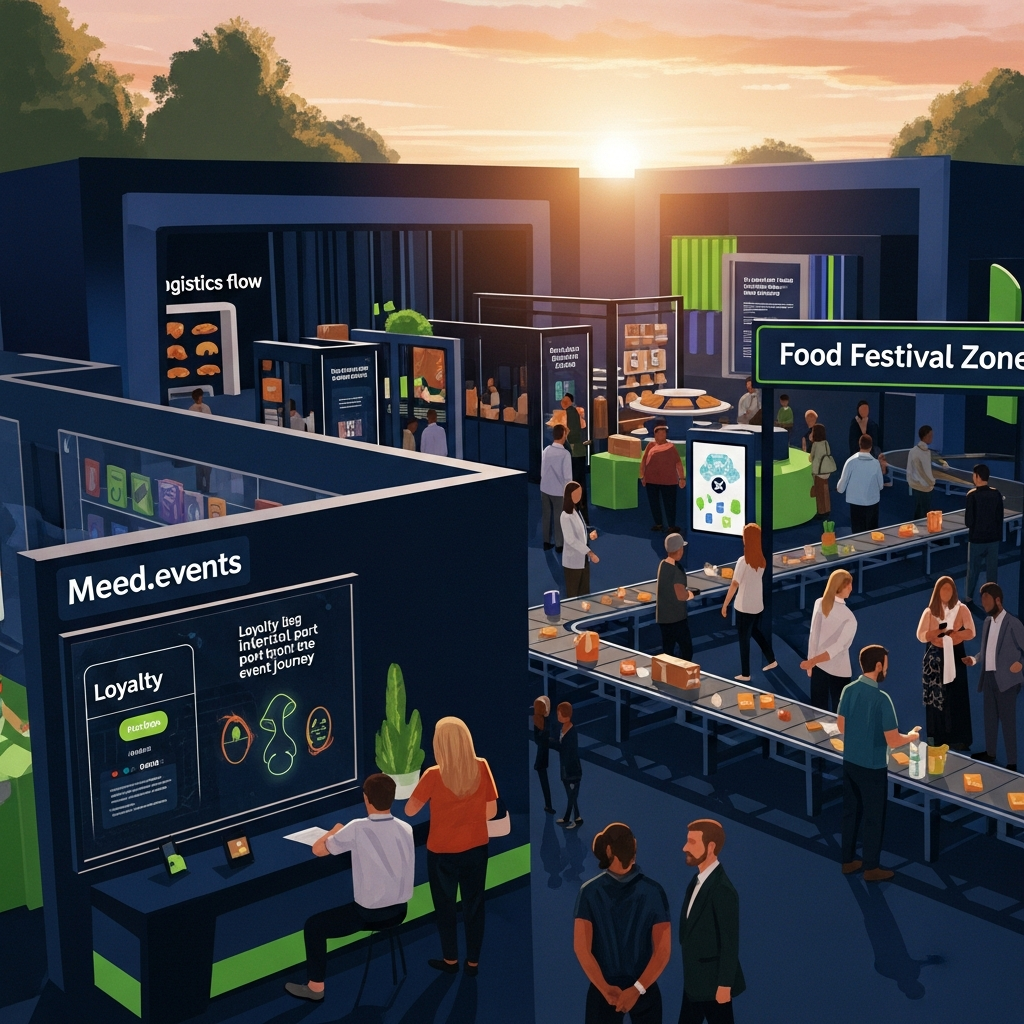
UK brand leaders are steering their budgets toward persistent, multi-channel activations stitched into the fabric of their loyalty and CRM programmes. Think flagship experiences that anchor your digital presence in the real world, community campaigns that continue after the banners come down, and a relentless focus on gathering actionable insights through every interaction. The aim? A virtuous circle – each activation informing the next, every audience touchpoint enriching your single customer view.
Personalisation: The High Street’s Quiet Revolution
Last Thursday, in Bexhill, I watched a shopper’s journey from in-store browsing to a phone ping with a bespoke offer. Scent of sea, hint of espresso. That seamless hand-off was crafted, not random. These days, a QR code on a carton can unlock perks matched to the ID on your loyalty app; staff can greet regulars by name and suggest what they’ll enjoy next. Anything less is just noise.
This shift requires a robust, privacy-preserving data architecture – GDPR-compliant, of course, or you’ll hear from your DPO. The result? Customers linger longer, spend more, and actually bother opening your emails next time. Personalisation isn’t garnish; it’s the meal.
Packing Purpose: Why Audiences Demand More Than a Logo
According to Office for National Statistics well-being data, UK residents rank “feeling that what I do is worthwhile” as essential to their satisfaction. Now, audiences expect brands to do more than sell – they demand alignment with their values. If your campaign’s sole nod to ethics is slapping a charity logo on a lanyard, your audience will sniff it out faster than a Labrador at a picnic.
Purpose-led activations – like sport brands sponsoring mental wellness clubs, or food brands cultivating urban gardens – earn attention by offering real community value. When these experiences deliver something participants genuinely remember, media coverage and brand favour follow naturally. The metric? Not just impressions, but evidence of attitude or behaviour change. Anything less is, well, a bit of a faff.
Immersive Retail: Solving for Utility, Not Just Spectacle
The term 'immersive' often conjures images of clunky VR headsets, but the most effective applications are far more subtle and useful. True immersion is about removing friction and adding value through technology that feels intuitive. Consider an augmented reality feature in a home goods app that allows you to see how a sofa would look in your living room, to scale, before you buy. Or a smart mirror in a changing room that lets you request different sizes without having to get dressed again. These aren't gimmicks; they are practical tools that solve common frustrations. This is where a well-considered brand activation strategy shines, using technology as a servant to the customer experience, not its master.
Measurement That Matters: Closing the Loop with Discipline
Ask any sceptic: “Did it actually work?” If you can’t answer with numbers, you’ve got a hobby, not a programme. Real uplift comes from defining success at the outset – then sticking to it. Go beyond basic footfall and vanity metrics with a simple framework:
- Core Objectives: Start with the end in mind. Are you trying to drive loyalty sign-ups, increase sales of a specific product, or change brand perception? Be specific. (e.g., “Achieve 5,000 new loyalty programme sign-ups with verified email addresses.”)
- Input Metrics: Track the things you control. This includes the budget, staff hours, location costs, and technology investment. Be exact – guesswork is expensive.
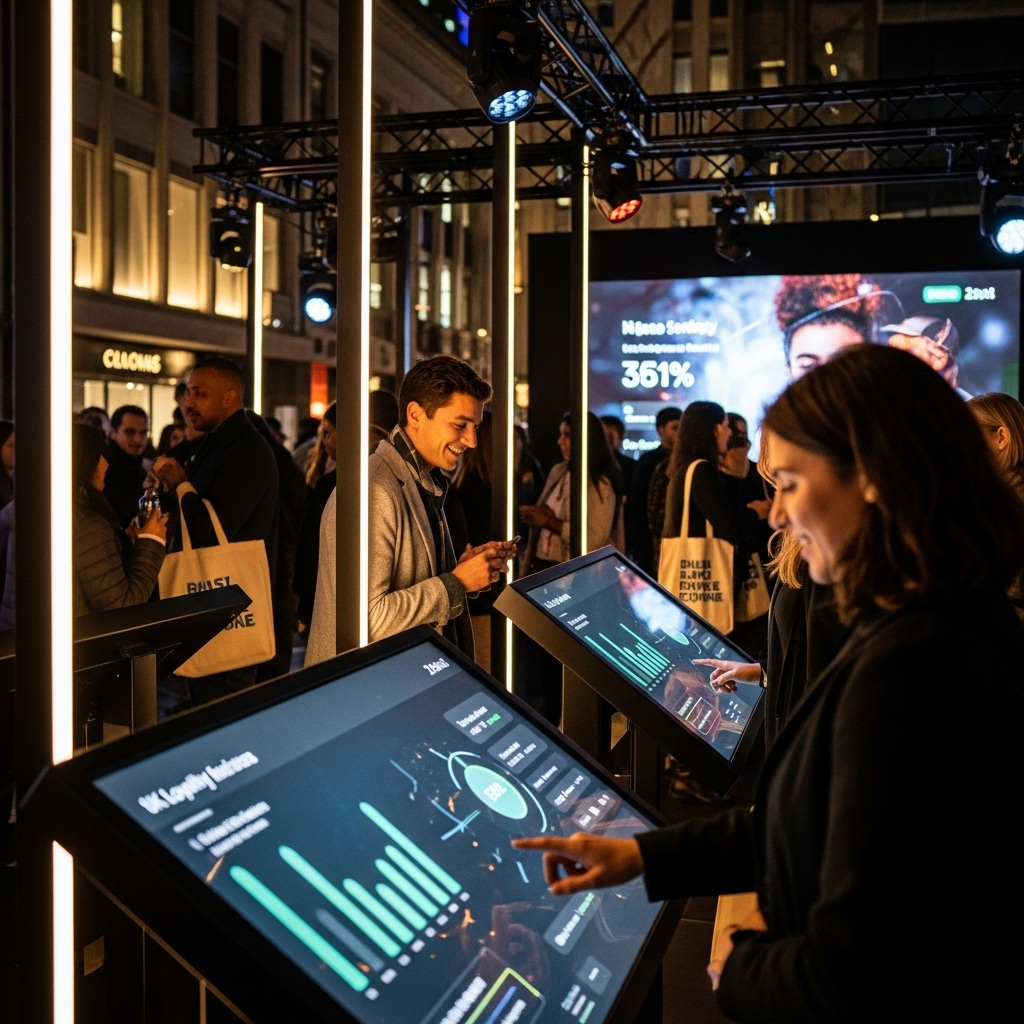
- Engagement Metrics: This is the classic experiential data. Track dwell time, specific interactions (e.g., number of product demos completed), and participation rates. Use sensors or QR code scans to capture this data cleanly.
- Output Metrics: This is where the activation meets business value. This includes leads generated, samples distributed, and, crucially, first-party data and consent captured (e.g., email sign-ups, app downloads).
- Outcome Metrics: This is the final, most important step. Use control groups and attribution modelling to link participation in the activation to long-term behaviour. Did attendees spend more over the next six months? This proves the lasting value of the experience.
Compliance and Brand Safety: The Hidden Craft
Overlook privacy and regulatory frameworks at your peril. From the CAP code to GDPR, the UK landscape requires sturdy foundations – especially with live activation data streaming across devices. Our projects at Holograph default to privacy-by-design architectures, meaning every data point is above board and every participant’s trust is earned. Mistakes here aren’t just embarrassing; they’re costly, time-consuming, and hard to patch once reputations slip.
Faq
How does experiential marketing in the UK differ in 2025?
Gone are the days of ephemeral pop-ups meant mainly for likes. UK brands now blend live experiences with digital journeys – integration, data, and compliance have overtaken spectacle as the real hallmarks of leadership. Programmes connect seamlessly to loyalty, CRM, and ongoing participation.
What’s the biggest mistake brands make with experiential marketing?
The most common pitfall is treating it as an isolated event. A brilliant activation that isn't connected to the broader marketing and data ecosystem is a missed opportunity. It needs to be part of a coherent brand activation strategy that captures data, nurtures leads, and feeds into the overall customer journey.
How do I prove business impact to sceptical stakeholders?
Frame activations as outcome – not output – generators. Start with objectives tied to revenue, consented audience growth, or loyalty tier migration. Use robust attribution and control groups, and cite public ONS datasets where relevant to buttress your evidence.
How does GDPR affect data capture at live events?
GDPR requires that consent for data capture is freely given, specific, informed, and unambiguous. This means no pre-ticked boxes or confusing language. The best practice is to be completely transparent about what data you're collecting and why, and to offer a clear value exchange, such as a personalised offer or exclusive content, in return.
Do immersive experiences need a huge tech stack?
No. While leading brands invest in tools that support measurement and personalisation, many useful immersive touches can be delivered with off-the-shelf hardware and good planning. Tech should serve the journey, not define it – or worse, become a barrier.
Time for a cup of tea?
Experiential marketing in the UK has matured past novelty and noise, rewarding those who treat every activation as a stitched seam in a rich, data-informed relationship with their audience. It demands practical craft, rigorous measurement, and experiences built to last – not just to spark. If you’re ready to see what this looks like for your own brand, why not join us for a chat at the Holograph studio? Let’s build something worth talking about. Cheers.