Full article
Created by Marc Woodhead · Edited by Quill Admin · Reviewed by Marc Woodhead
What Havas Red’s Melbourne leadership hire says about integrated experiential deliveryA senior hire can look like industry wallpaper. But occasionally it’s a tell. When an agency like Havas Red invests in integrated leadership, it’s usually because clients are asking for fewer ‘ta‑da’ moments and more activations that hold up in the cold light of a performance wrap: what changed, by how much, and what we’d do differently next time.
I’m sceptical by default, but pragmatic too. If you’re still treating experiential in 2026 as a one-weekend sugar rush, you’re paying for noise and calling it a plan. The fix isn’t more spectacle. It’s better systems: clear value, clean consent, and measurement you can defend without wincing.
Context: The signal in the noise
Havas Red appointing Erin Sing to an Executive Director role in Melbourne is, on paper, straightforward. Read it as a signal, and it fits what we’re hearing across UK briefs: joined-up thinking is no longer optional. Brands want experience design that connects to CRM and loyalty without turning participation into a chore. This doesn’t mean bolting on dashboards for show. It means the era of waving around footfall and hashtag mentions as proof is closing. Leadership that balances craft, delivery, and measurement is suddenly the most useful capability in the room.
What is changing: From spectacle to system
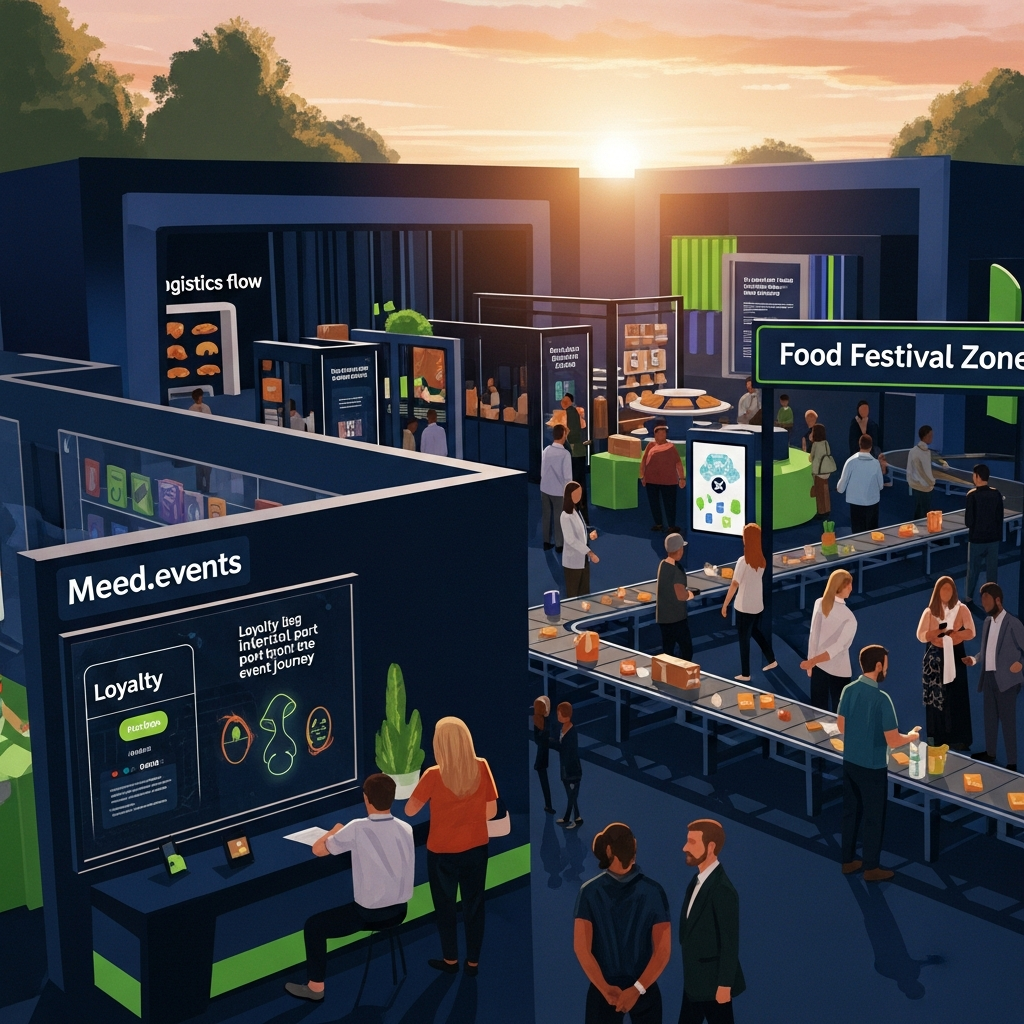
The best experiential marketing trends UK teams are acting on now aren’t about cramming in tech. They’re tighter loops: fewer steps between curiosity and consent, and clearer exchanges where the audience understands what they’re getting. Take the EL&N x ANUA Honey Glaze Cake collaboration, a co-branded cake that unlocks a skincare deal. It’s tactile, obvious, and low-friction, with no awkward QR codes. A simple trade that can be measured.
Sharp opinion time: if your 2026 activation is still a branded photo wall plus a hashtag, with no meaningful follow-on, you’re wasting budget. The fix is boring (which is why it works): design the loyalty and data journey first, then build the live experience as the most enjoyable on-ramp. Automation without measurable uplift is theatre, not strategy.
Implications: Loyalty, data, and immersive maturity
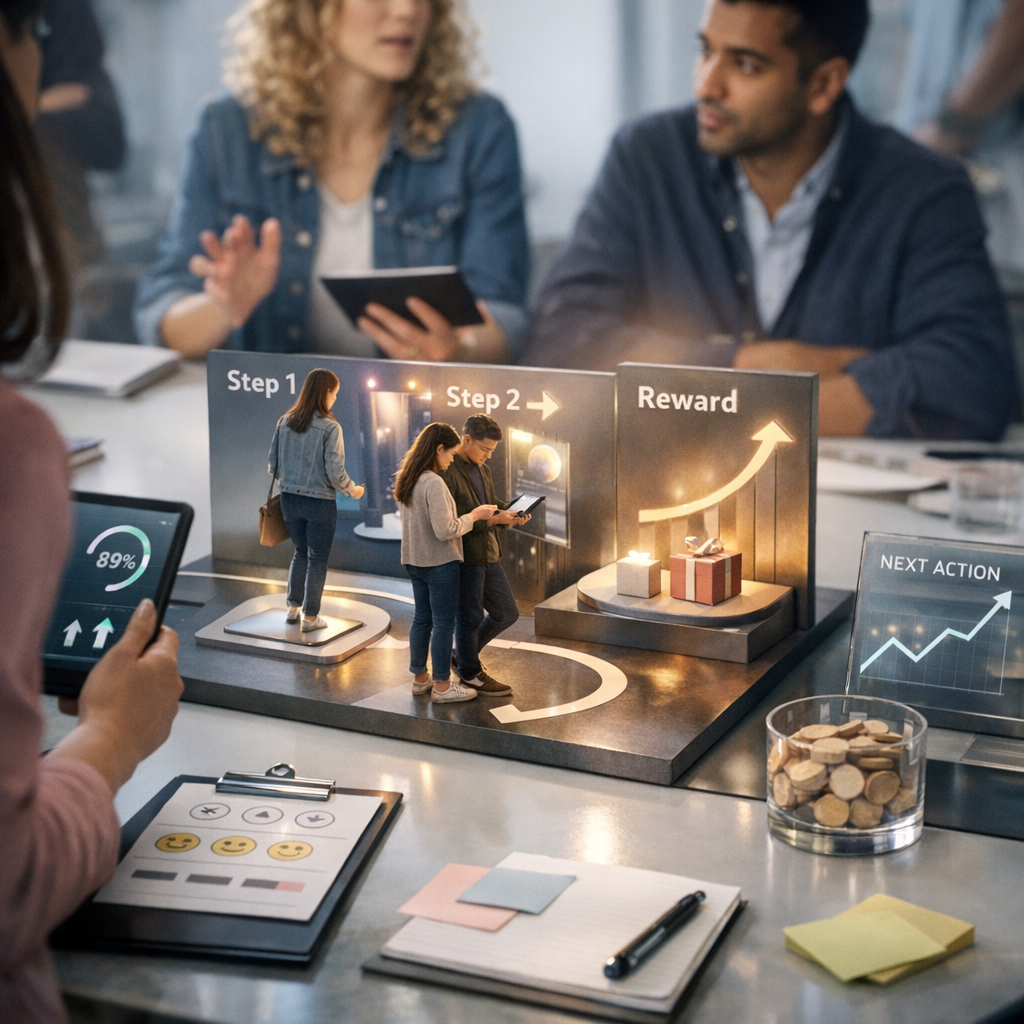
Loyalty is being rethought because audiences are tired of admin. The pattern that works: earn attention in the live moment, then make the next step feel natural. Demonstrate value, utility, comfort, a bit of delight, and only then invite opt-in. That yields higher-quality, consented first-party data, not low-intent sign-ups that never convert.
Immersive doesn’t have to mean headsets and disinfectant smells. Effective work treats the whole environment as the experience. Merlin used holographic-style projections ahead of its Galacticoaster opening, starting the story in the queue to build anticipation. That’s narrative pacing supported by kit, not gadgetry. The trade-off: investing in the journey, not just the peak moment, which can feel counterintuitive but pays off in audience satisfaction.
Privacy note: default to data-minimising capture, explicit consent, and a clean audit trail. GDPR isn’t a feature; it’s the operating environment.
Actions to consider: Practical steps for integrated delivery
- Audit the handovers. If your activation needs three agencies and a miracle to connect dots, the audience feels the seams. Tighten integration or simplify.
- Define success before designing the set. Footfall is a start. Decide the next behaviour, opt-in, repeat visit, redemption, and design to make it easy.
- Measure signal quality, not noise volume. Track conversion from live moment to CRM, then downstream outcomes you can attribute.
- Prototype the human bit first. Test the interaction that makes someone feel looked after before adding complexity. Let technology amplify what works.
So yes, it’s ‘just’ a senior hire. But it sits alongside a wider shift: experiences are built as repeatable systems, not isolated stunts. If you’re weighing up your next activation and want a second pair of eyes on the experience, measurement, and data journey, without the agency theatre, let’s have a proper chat. Book a chemistry session with the Holograph studio team. We’ll put the kettle on and map what’s worth building, what’s worth testing, and what’s just noise dressed up as strategy.
Proof and original case study
This interpretation draws on a public Holograph case study. For the original source detail, see more Holograph case studies and holograph.digital.